


Blockchain and Traceability in Vertical Farming Supply Chains
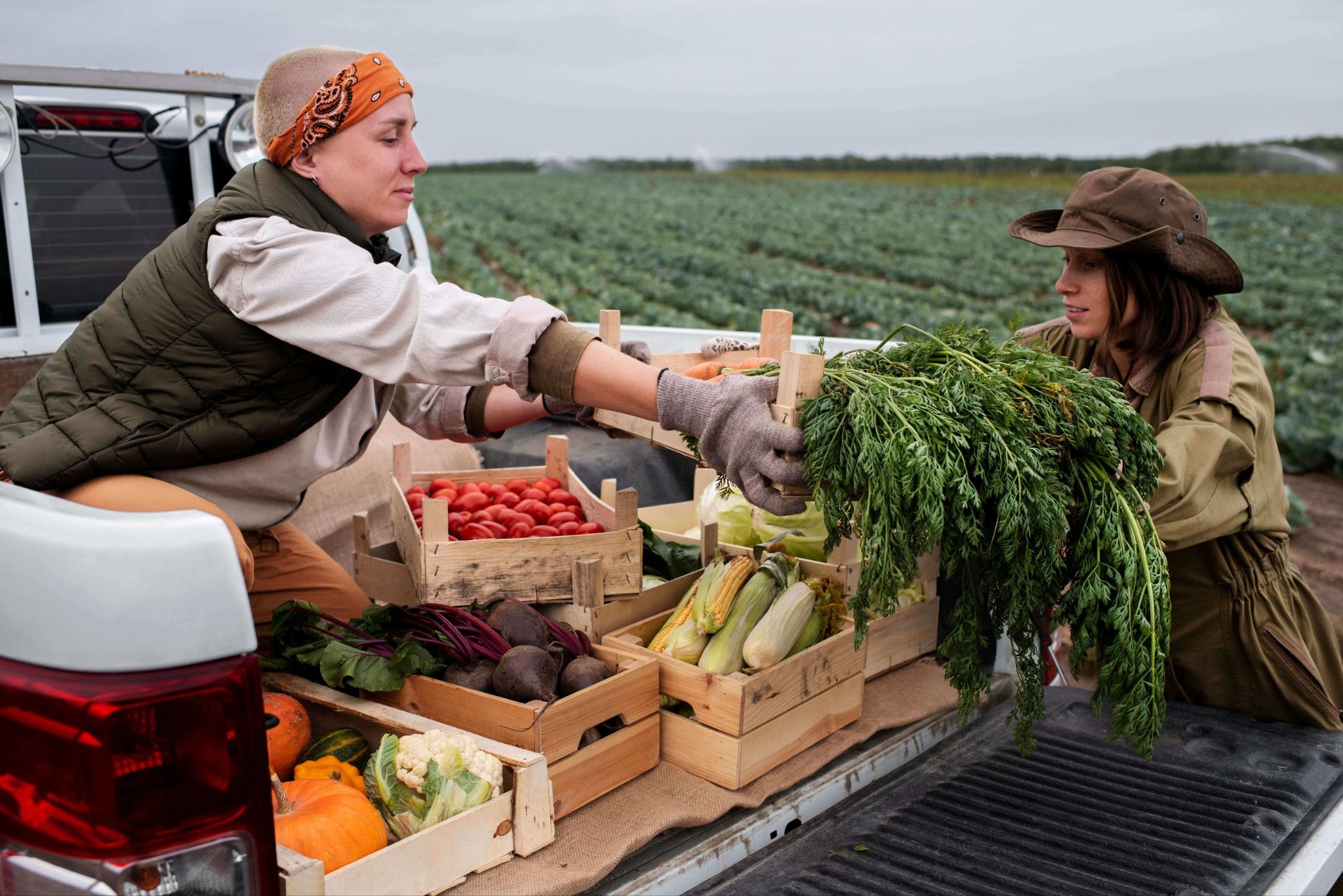
To ensure consistent yields and a continuous supply, the food industry often uses excessive chemicals in production. As a result, consumers have lost trust in large supply chains and are increasingly choosing to grow their own food or to buy exclusively from rural producers. Given that the second option is logistically demanding, people who can’t afford to travel or have deliveries from rural production areas find themselves in a challenging situation. This situation can also create long-term problems for retailers, due to unsold products, generate large amounts of food waste, and lose money. What has emerged as a solution is vertical farming, more precisely, its ability to use blockchain to transparently record how crops are grown. This means customers can always verify the product’s quality, which can lead to increased trust.
What is Vertical Farming?
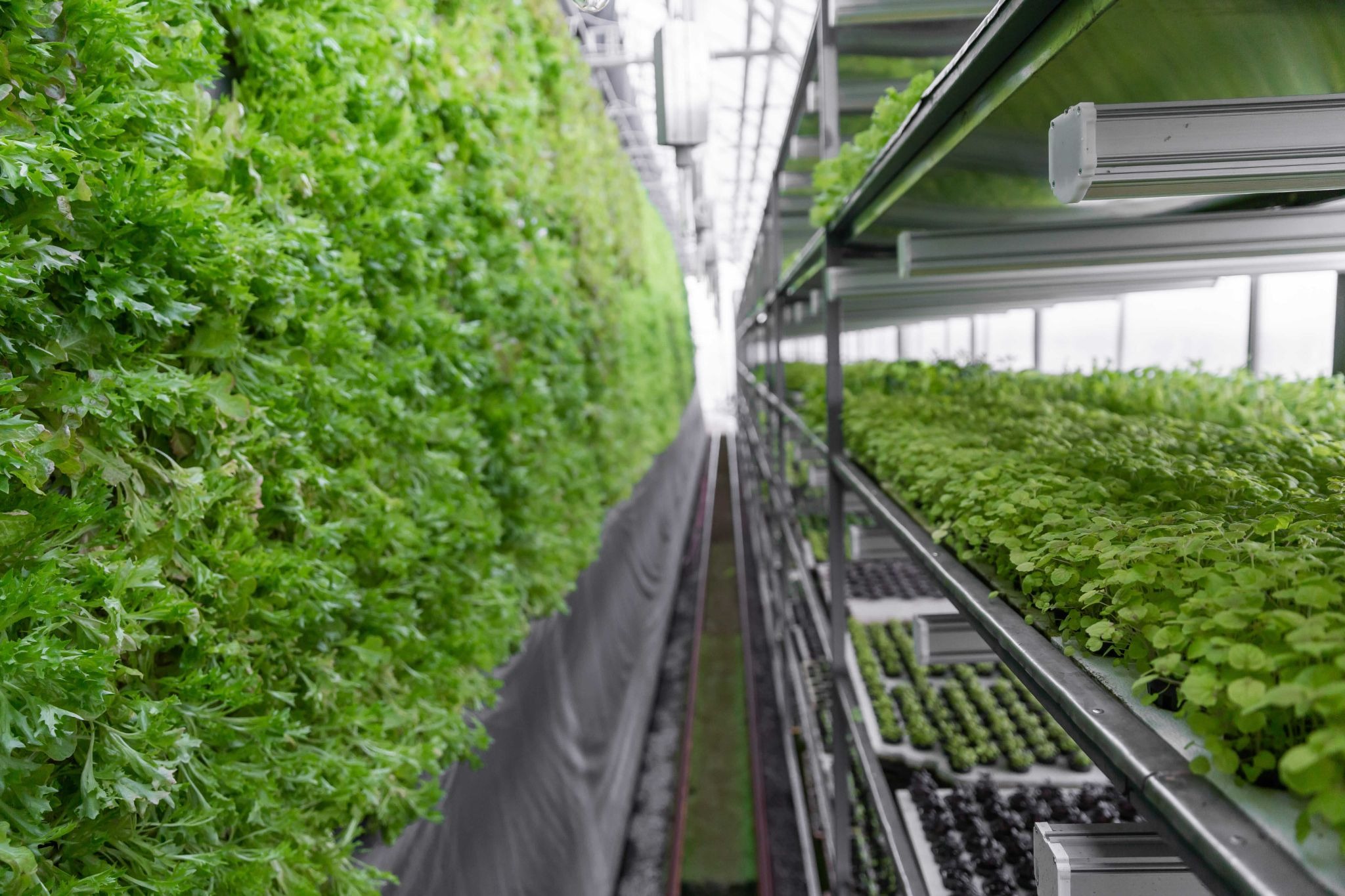
Vertical farming is a modern method of growing food practiced in highly controlled conditions, mostly indoors. It allows plants to be cultivated without being limited by season or geographical region. This process is supported by specialized hardware, software, and artificial intelligence that continuously monitor plant development and, based on the collected data, adjust their ideal care. Thanks to vertical farms, even the most vulnerable regions of the Earth can have fresh, locally produced food.
What is Blockchain?
Blockchain is a decentralized digital ledger that securely stores information across a network of computers. Authorized network participants can access this data, making this system transparent. This transparency enhances social accountability because institutions and, in this case, food producers can't hide mistakes that could otherwise go unnoticed.

How Does Blockchain Increase Food Security?
Food safety largely depends on economic conditions, which have been unstable in many countries for years. The need for higher profits drives mass production, which is not always ethical when it comes to following the regulations on chemical dosing. Therefore, many large agricultural producers rely on excessive chemical inputs to increase yields and maintain consistency. Although these chemicals improve productivity, they can be harmful when consumed in excessive amounts over time.
Understanding where consumer fear comes from, vertical farms grow plants in a much healthier and more sustainable way, and they use blockchain to transparently record the exact processes the produce has undergone through before reaching store shelves. With public blockchain data, customers can easily access this information and check the quality of the produce they buy.
If this blockchain system were implemented across the entire food production industry, it could contribute to greater responsibility among producers in handling chemicals and complying with regulations more carefully, thereby further increasing food security.
Blockchain Application in Vertical Farming
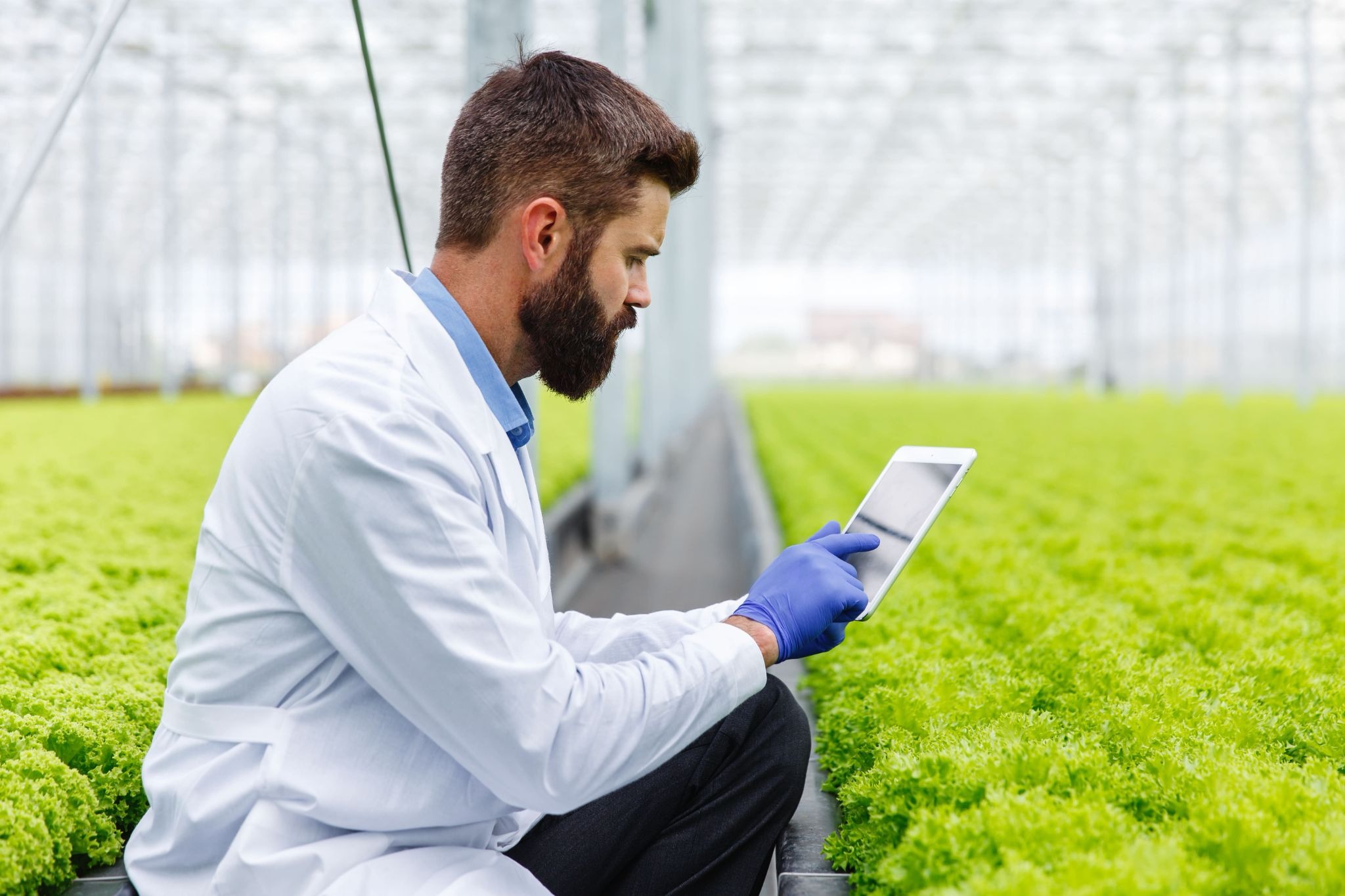
Vertical farms have built-in sensors that collect data about the conditions in which crops are grown, such as temperature, humidity, lighting, and energy consumption. These data are then sent to a blockchain through connected IoT devices. Once the data reaches the network, the system verifies the integrity of the information and ensures it has not been altered. After this validation, the data becomes part of an immutable chain, which is a chronological record of all activities within a given company. This way, every stage is recorded, from seed planting to harvesting, packaging, and transportation.
When purchasing, consumers can scan a code on the packaging to verify the product’s origin and quality. Not all stores worldwide offer this option, but it is available at some, such as Carrefour in France and Walmart in the United States.
Blockchain Advantages in Vertical Farming
Full traceability improves the integrity of food producers, making the entire food chain safer. People are becoming interested in buying only from producers who grow crops transparently, making the implementation of blockchain a smart and cost-effective business decision. Blockchain enables better collaboration between stakeholders by sharing real-time data on demand, supply, prices, and quality. It also shortens the supply chain by allowing farms to sell directly to restaurants or consumers with automated payments. As intermediaries are removed, farmers earn more and consumers pay less. By collecting data on resource usage and designing ways to utilize them better, the integration of blockchain with IoT devices can optimize resource utilization.
Blockchain Challenges in Vertical Farming
Blockchain has limited data storage capacity, which creates a need for additional off-chain systems to store the remaining data. There are concerns about protecting sensitive information in a system where data is shared among multiple participants in the supply chain. The lack of clear regulations makes the wider adoption of blockchain in agriculture more difficult. Despite technology that optimizes the entire supply process, it remains challenging to achieve full trust among all participants in the supply chain. This system is currently limited only to large vertical farms that already have highly developed blockchain and IoT systems, while small farms are behind due to the digital divide, though this may improve over time.
Future of Traceability in Vertical Farming
The traceability provided by blockchain in vertical farming can give many people around the world greater confidence when buying food from supermarkets. The implementation of this technology has the potential to be a significant long-term solution. However, this technology is not yet sufficiently developed for full-scale implementation or global standardization. Given the rapid pace of technological advancement, it is only a matter of time before this system evolves into a widely adopted solution.