

The Role of LED Lighting in Optimizing Vertical Farm Production
Light is essential for plant cultivation, as it optimizes photosynthesis, which drives healthy and vigorous plant growth and development. In vertical farming, farmers use LED and fluorescent lighting systems. Fluorescent lights consume a large amount of energy, whereas LED lights are more sustainable and more efficient in supporting plant growth. LED lights have specific color spectra, and each spectrum contributes uniquely to plant development. Here is a detailed breakdown of how different LED lights affect plant growth, color, and nutritional value.
What is Vertical Farm Production?
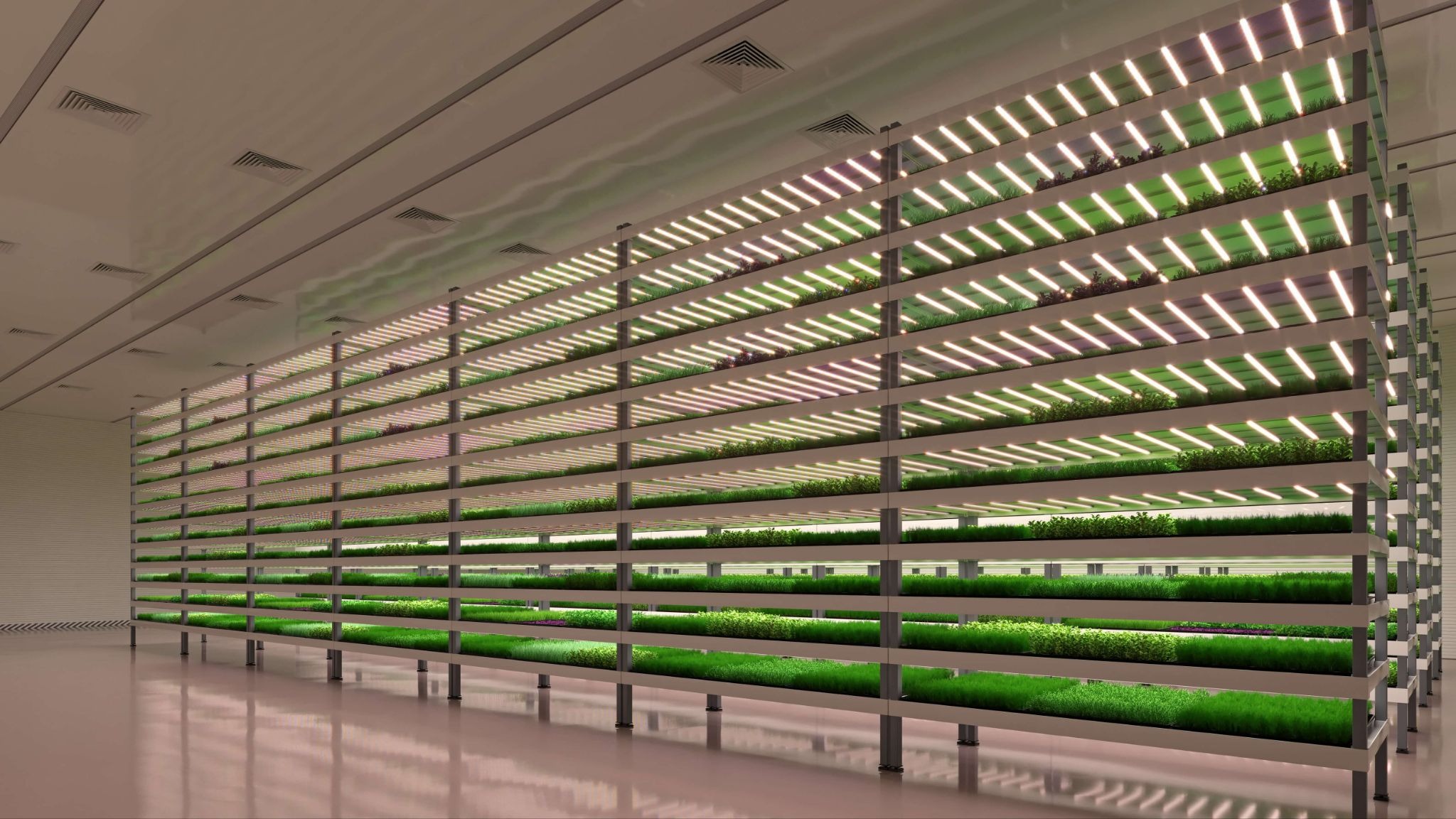
Vertical farming is an innovative approach to growing food compared to traditional methods. Unlike conventional plant cultivation, vertical farms organize crops across multiple vertical layers and manage them using specialized technological systems. Vertical farms deliver essential nutrients to plants with great precision, enabling them to conserve valuable resources while achieving higher, healthier yields. One of the many advantages is that this system allows plants to be cultivated both outdoors and indoors, enabling farmers to build farms even in urban environments, such as in buildings or on their roofs.
Plants and Lighting
Plants require specific conditions to grow and develop properly. Proper selection of light type and intensity, as well as the distance between plants and the light source, is crucial to ensure plants develop their stem, leaves, and fruits properly. Light requirements vary for each plant, even within the same plant across its different growth stages. Vertical farms, along with LED lighting, can easily meet these requirements.
LED Lights in Plant Cultivation
Compared to traditional lighting systems and bulbs, which consume a lot of energy and generate significant heat in the space where they are used, LED lights are highly energy-efficient. According to some studies, LED lights use up to 75% less energy than traditional options and can last up to 25 times longer. This means they don’t need to be replaced frequently, which makes them an environmentally friendly and economically viable option.
These lights emit a wide range of colors and varying levels of brightness. Since each type of color can uniquely contribute to the development of the plant it illuminates, LED lighting represents one of the most important innovations in vertical farming.
Types of LED Lights in Vertical Farming
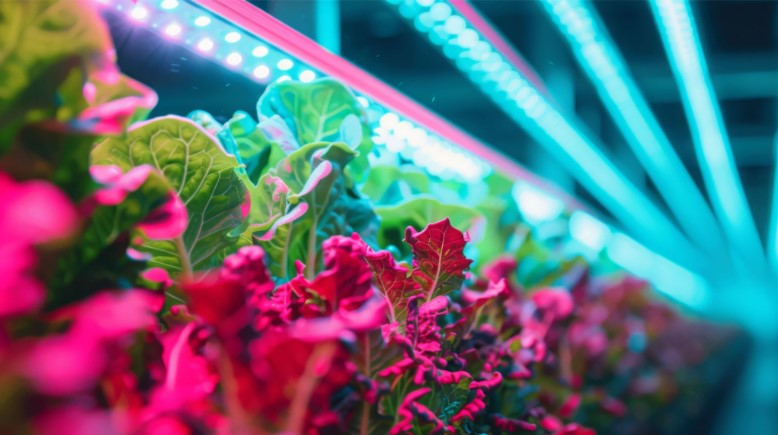
LED lights are usually purple, blue, green, yellow, white, or red. Each of these light colors affects plant growth differently because the pigment chlorophyll doesn’t absorb all wavelengths equally.
Blue LED light ensures that during the growth phase, plants develop a strong root system, which supports the further development of other parts of the plant. It affects leaf thickness by improving leaf structure, making the plant grow stronger, greener, and healthier. It’s best to use it in the early stage of plant growth.
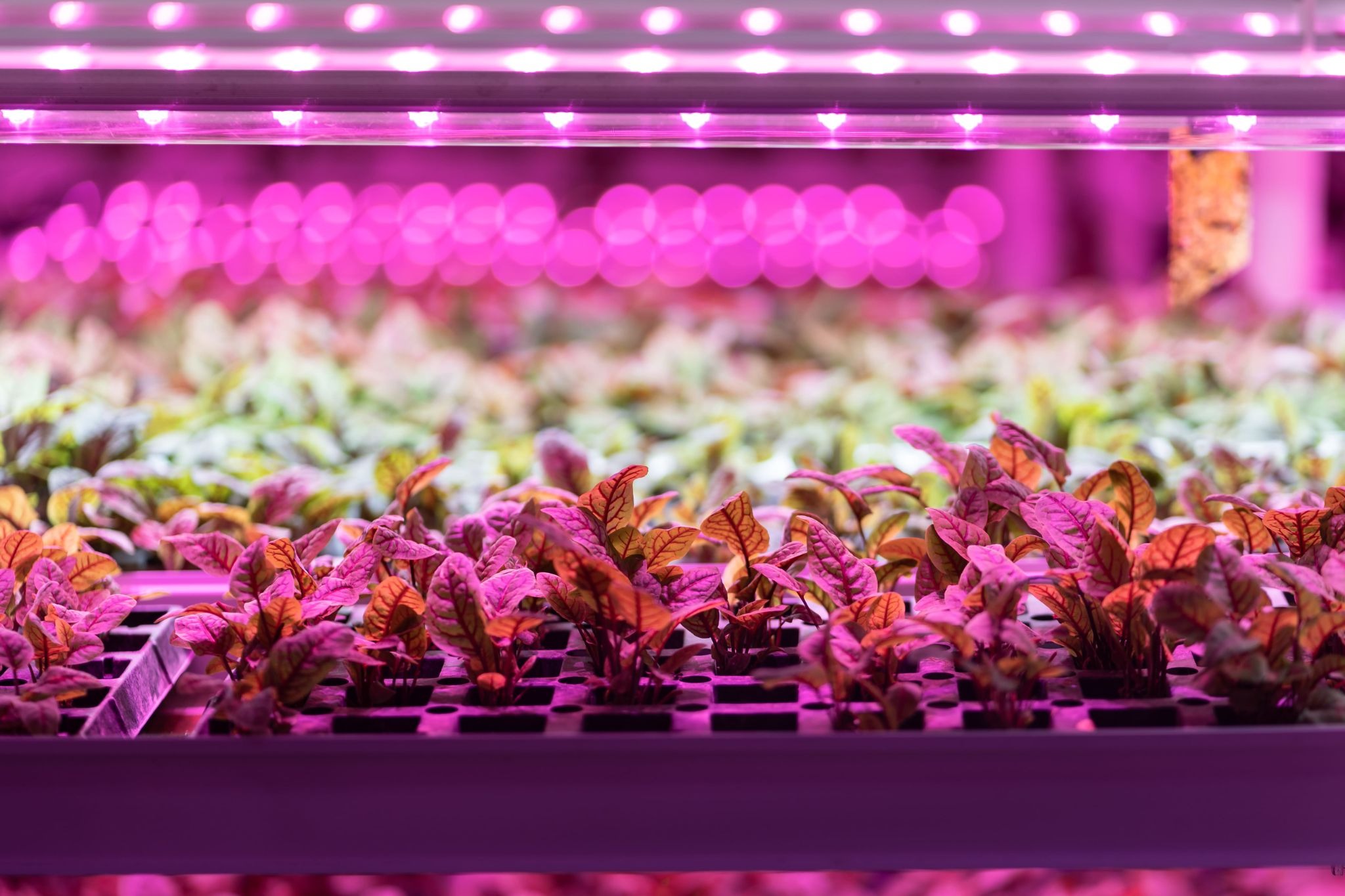
Red LED light is responsible for stimulating the flowering and fruiting stages. It enhances plant growth and yield by optimizing photosynthesis and overall plant health, similar to blue light.
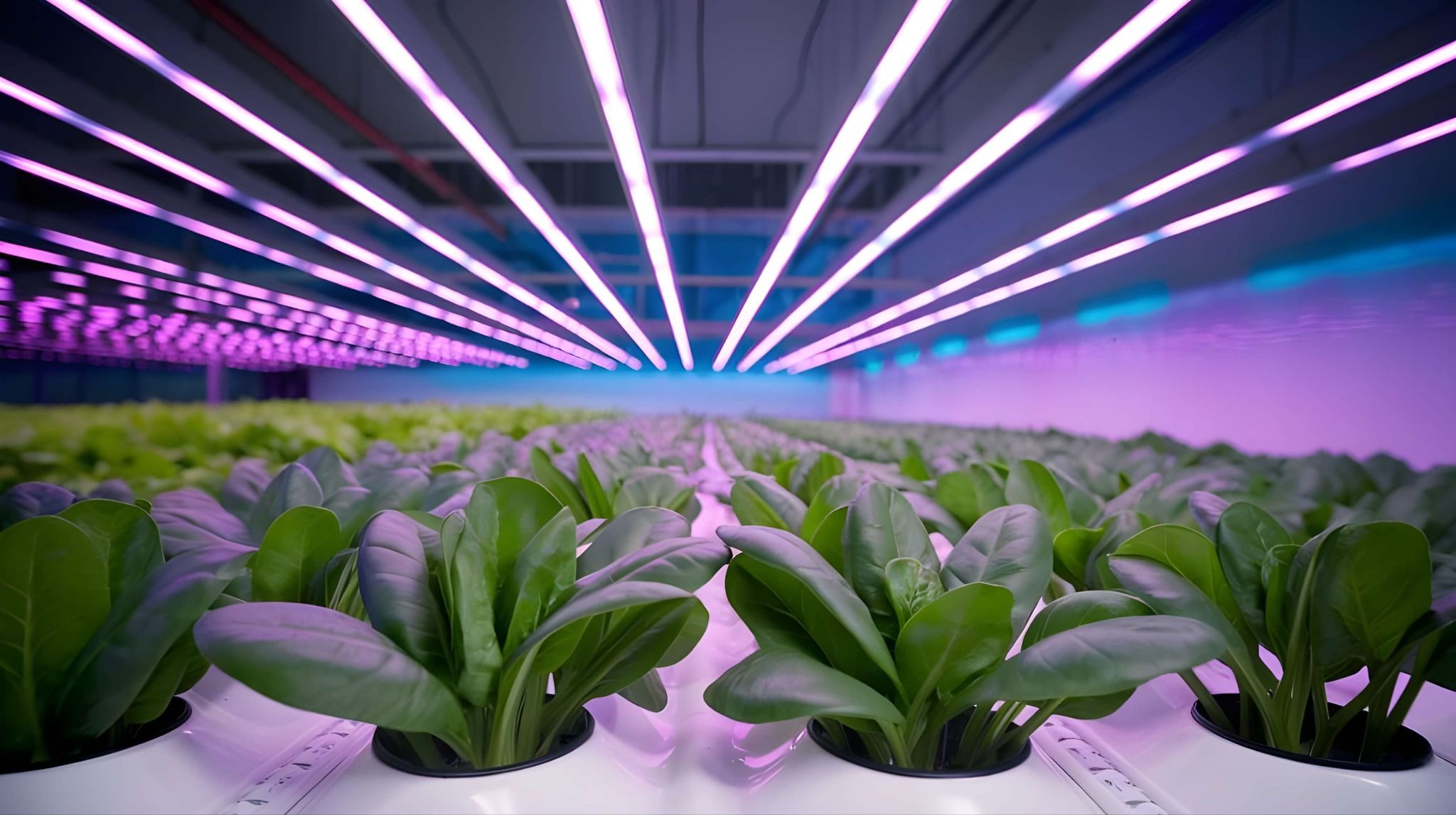
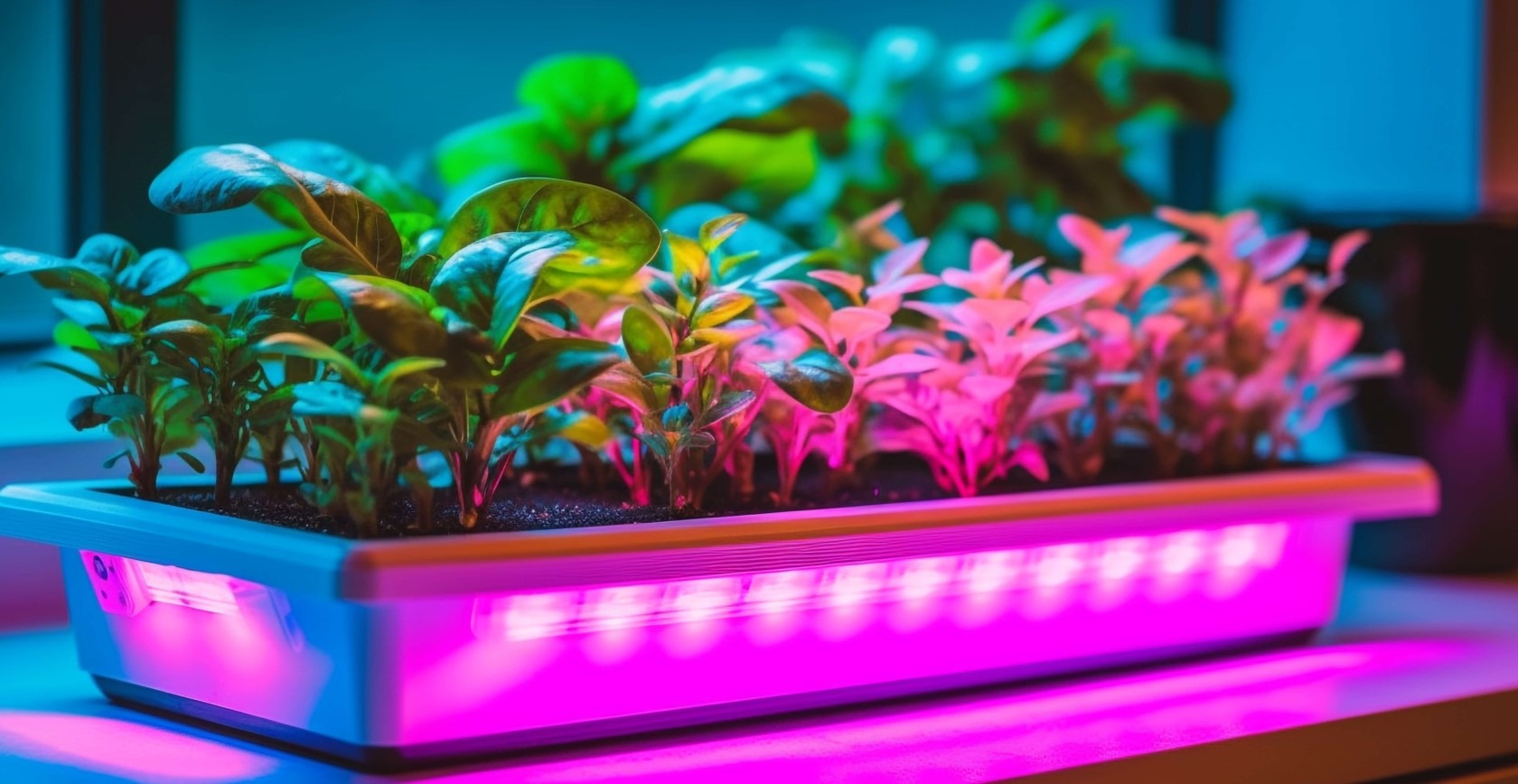
Purple LED light has a strong effect on plants because it combines red and blue light, both of which are highly beneficial for plant development.
Green LED light regulates growth hormones, making it beneficial for plant cultivation as well. However, chlorophyll reflects this light more than it absorbs, so its effectiveness is limited.
Yellow LED light acts like natural sunlight, enhancing the plant’s defense mechanisms by activating protective compounds such as flavonoids and antioxidants. In this way, it improves flavor and nutritional value while increasing its resistance to pests and diseases.
White LED light mimics daylight and is essentially a combination of all the previously mentioned colors. It supports the plant in all stages of growth, maintains its health, and ensures a strong structure with vibrant foliage. Its balanced nature makes it an ideal choice for continuous use.
Not Every LED Light Is a Plant-Growing Light
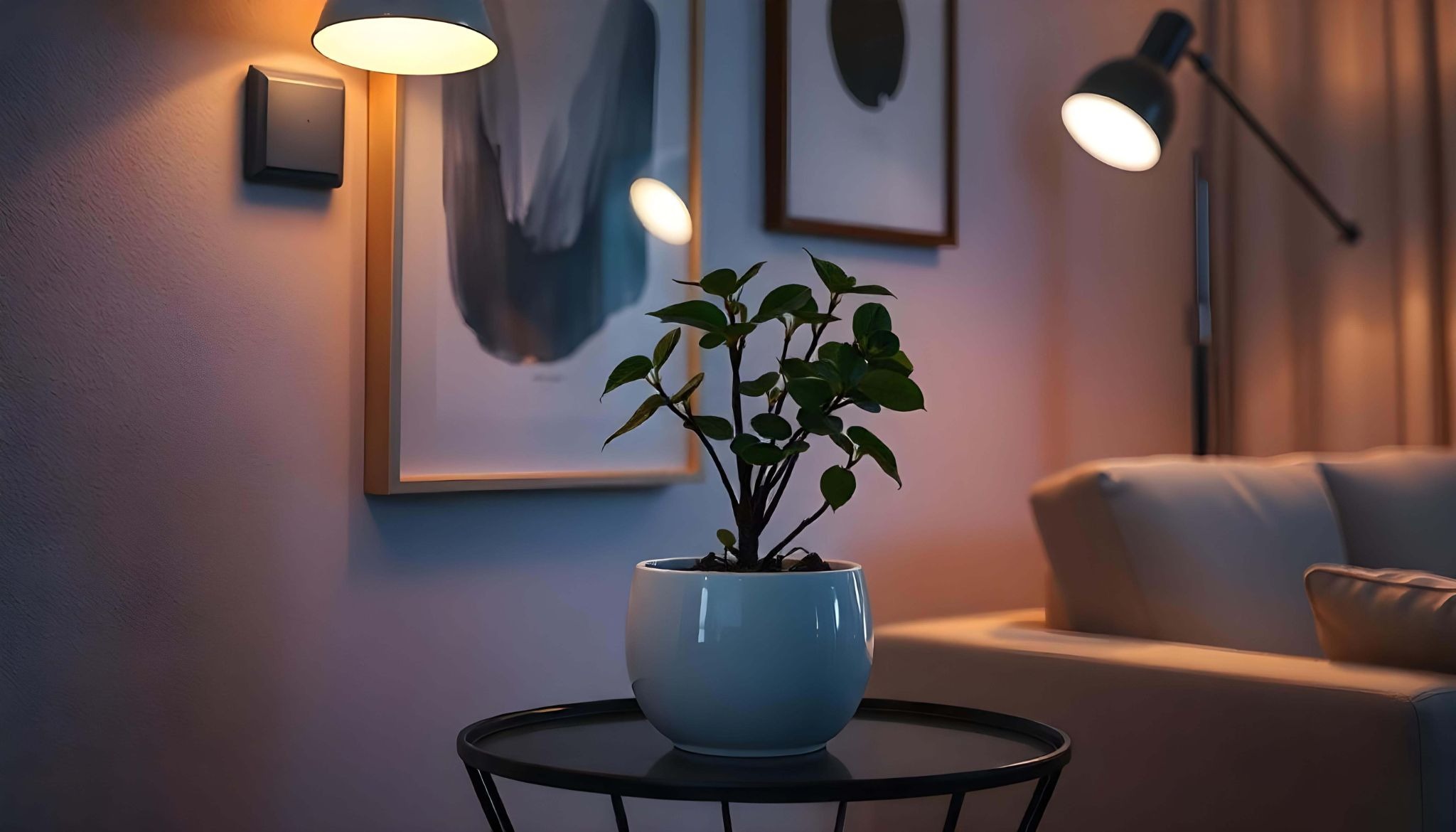
As LED lights are widely used in homes and commercial spaces, people often assume that all LED lights are the same, regardless of color, and that they can be used for plant growth as well. However, not all LED lights are suitable for growing plants.
LED is simply a technology that, like any other, adapts in specific ways for different applications. Regular LED lights are designed with a focus on how a specific color spectrum appears in a space, while plant-growing LED lights are designed with diodes that emit a spectrum of wavelengths plants can absorb and use for growth.
LED Lights for Vertical Farming Optimization
Artificial light is not just a tool for illumination. It’s a mix of wavelengths, each emitting specific energy needed for different stages of plant growth. In vertical farming, where natural light is limited, light is a key factor in controlling plant development, yield, and quality. However, despite its importance in horticulture, selecting the right type of lighting is essential for both the plant’s growth and the preservation of the surrounding environment. Factors such as energy efficiency and heat output must be considered to reduce negative impacts. Ultimately, artificial lighting in vertical farming is more than a technical solution, as it represents a strategic way to enhance and redefine traditional plant cultivation.