

.jpg)
Vertical vs. Traditional Farming: Efficiency, Yields, and Resource Use
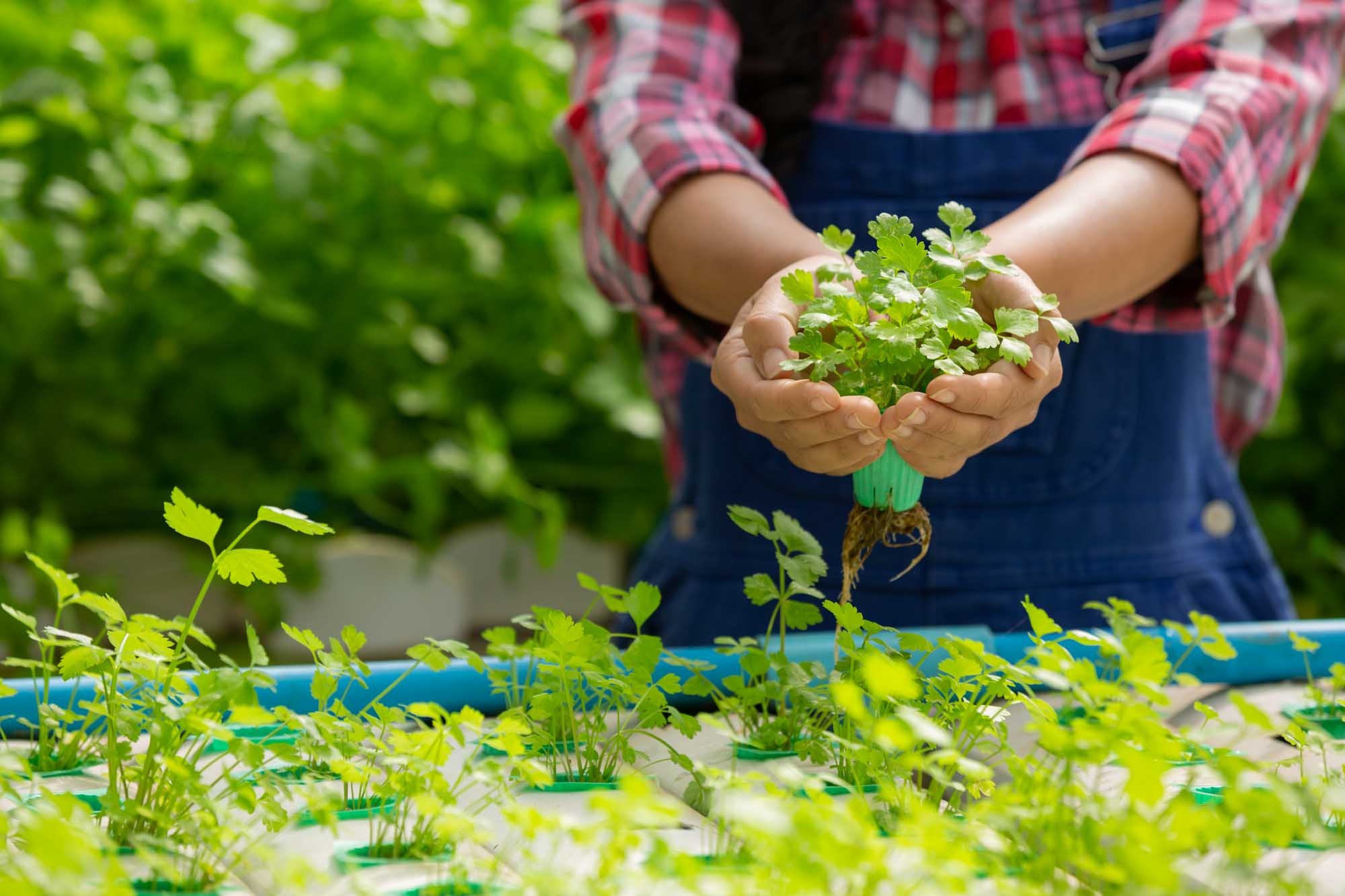
Vertical farming is an agricultural method used to grow plants both outdoors and indoors, by stacking them in multiple layers to save space. It enables food production using artificial intelligence, specialised hardware, and software. Unlike traditional farming, in which crops are grown on a single horizontal surface across large areas, these farms enable more efficient food production. Vertical farms can deliver higher yields and improved quality while simultaneously conserving valuable resources. Here is the breakdown of efficiency, yield, and resource-use analysis for these two methods.
Vertical and Traditional Farming Efficiency
Level of Environmental Control
In traditional agriculture, crop success largely depends on workers' skill in properly tending their land and following the guidelines for the plants they intend to grow. However, weather also plays a major role, often causing farmers to suffer losses due to unfavourable conditions that can destroy crops. That being the case, plants grown in this system are limited by both the seasons and the climates in which they are cultivated.
In vertical farming, plants are grown in enclosed, protected spaces that adapt to their needs through technology. AI actively controls and optimises the farm by continuously collecting data to base further care on. Due to this highly organised and controlled system, vertical farms can cultivate plants year-round, regardless of the season and the plant’s climate and state of origin.

Yield Growth Rate
The level of environmental control in vertical farming allows for much faster production than in traditional farming. When it comes to leafy greens, they grow 2 to 3 times faster and can be harvested every 2 to 4 weeks.
Workforce
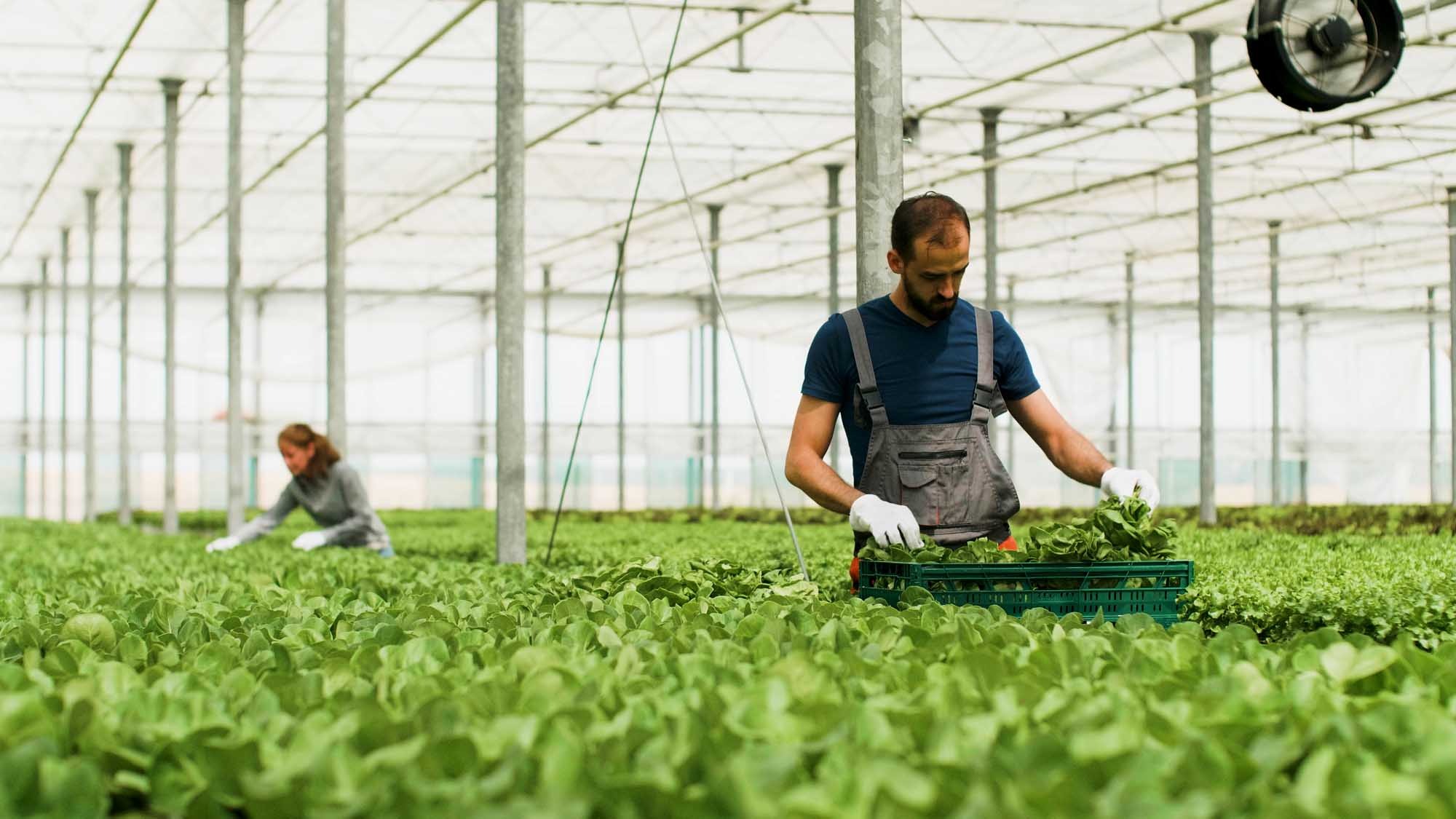
Vertical farming requires fewer workers than traditional farming, which reduces labour costs significantly. Due to reduced human involvement, the error rate is minimised. Another benefit is that farming, one of the most demanding professions, is made easier, allowing people to achieve better and faster results while their workload is lightened.
Yield Quality
Plants grown in vertical farms can have a significantly higher proportion of health-promoting antioxidants, which is why the yield can be higher, of better quality, tastier, more visually appealing, and more nutritionally valuable. Compared to traditional farming, vertical farms maintain about 95% yield consistency throughout the year.
This can be explained by the fact that vertical farms provide plants with constant optimal conditions, whereas traditional farming is often affected by unstable weather.
Risk Factors
The risk of pests and diseases is substantially higher in traditional farming compared to vertical farming. Since plants grown in a vertical system are cultivated under conditions most suitable for them, the risk of disease development is minimised. However, the spread of viruses and bacteria is still possible if the tools and filters of humidification and ventilation systems aren’t sanitised regularly. Human activity and poor hygiene practices can also contribute to pathogen development.
While pests can occur indoors, indoor vertical farming faces fewer infestations than traditional farming.

Resource Use
Water
Since vertical farms use closed-loop systems to recycle water, they consume 90–95% less water than traditional farming. Greenhouse cultivation in traditional farming can also save significant amounts of water, but since these savings depend on the farm's ventilation and cooling systems, traditional farms generally still use more water.
Energy
Vertical farms use more energy than traditional ones. That is the case due to the natural source of light and heat traditional farms have, as well as because vertical farms use technology and complex cultivation systems. This is why vertical farms often use energy generated from recycled biowaste, which helps improve their overall environmental impact.
Land
Vertical farms use space more productively. According to studies, they can produce up to 650 times more on the same area than traditional agriculture, making them more spatially efficient and ideal for urban areas with limited space.

Fertilisers and Chemicals
Fertilisers are used both in traditional and vertical farming. Traditional farming uses them more because soil often loses nutrients due to rain and soil erosion. Vertical farming uses them significantly less, as it can dose them precisely and deliver them directly to the roots.
The emergence of unwanted pests and diseases is common in both methods, but they occur to a much lesser extent in vertical farms.
No matter the case, the additional feeding or chemical treatment is determined based on the specific plant’s needs.
Waste and Environmental Impact
When it comes to waste, vertical farms use precise resource management, so they don't produce much of it. If there is any, it’s usually organic matter, such as leaves, stems, roots, damaged fruit, or plastic waste from packaging and equipment. On the other hand, traditional farming relies on pesticides and generates chemical residues that can pollute soil and water.
However, when it comes to environmental impact, vertical farming puts less pressure on land, whereas traditional farming can reduce biodiversity.
Transportation and Distribution
Vertical farms can be built much closer to their customers than traditional farms. That means there is less need for long-distance transportation, which reduces overall process time, complexity, and cost. Products from traditional farms travel farther and have a shorter expiration when they reach the shelves.

Vertical vs. Traditional Farming
Vertical farming is a highly efficient method of food production. It allows farmers to achieve higher yields in the same space compared to traditional farming. Although the initial setup is expensive, the investment can pay off relatively quickly due to its productivity. Despite this, the vertical option is still not as widely adopted. On the other hand, the traditional method is more affordable at the beginning. It also preserves the long-lasting practice of growing food by hand, which often holds cultural and social value. Overall, both methods offer unique advantages, making them worthwhile options for new farmers who are entering the field.