

Microgreens and Specialty Crops: High-Value Vertical Farming Opportunities
As global demand for fresh, nutritious, and locally grown food continues to rise, vertical farming is becoming an increasingly attractive solution for producing high-value crops. Among the most profitable options are microgreens and specialty crops, which combine fast growth cycles, premium market value, and exceptional nutritional content. Because these crops thrive in controlled indoor environments, they are ideal for vertical farming systems that maximize production while using minimal space and resources. Here is why microgreens and specialty crops are among the most promising opportunities in modern indoor agriculture.
What Are Microgreens and Specialty Crops?
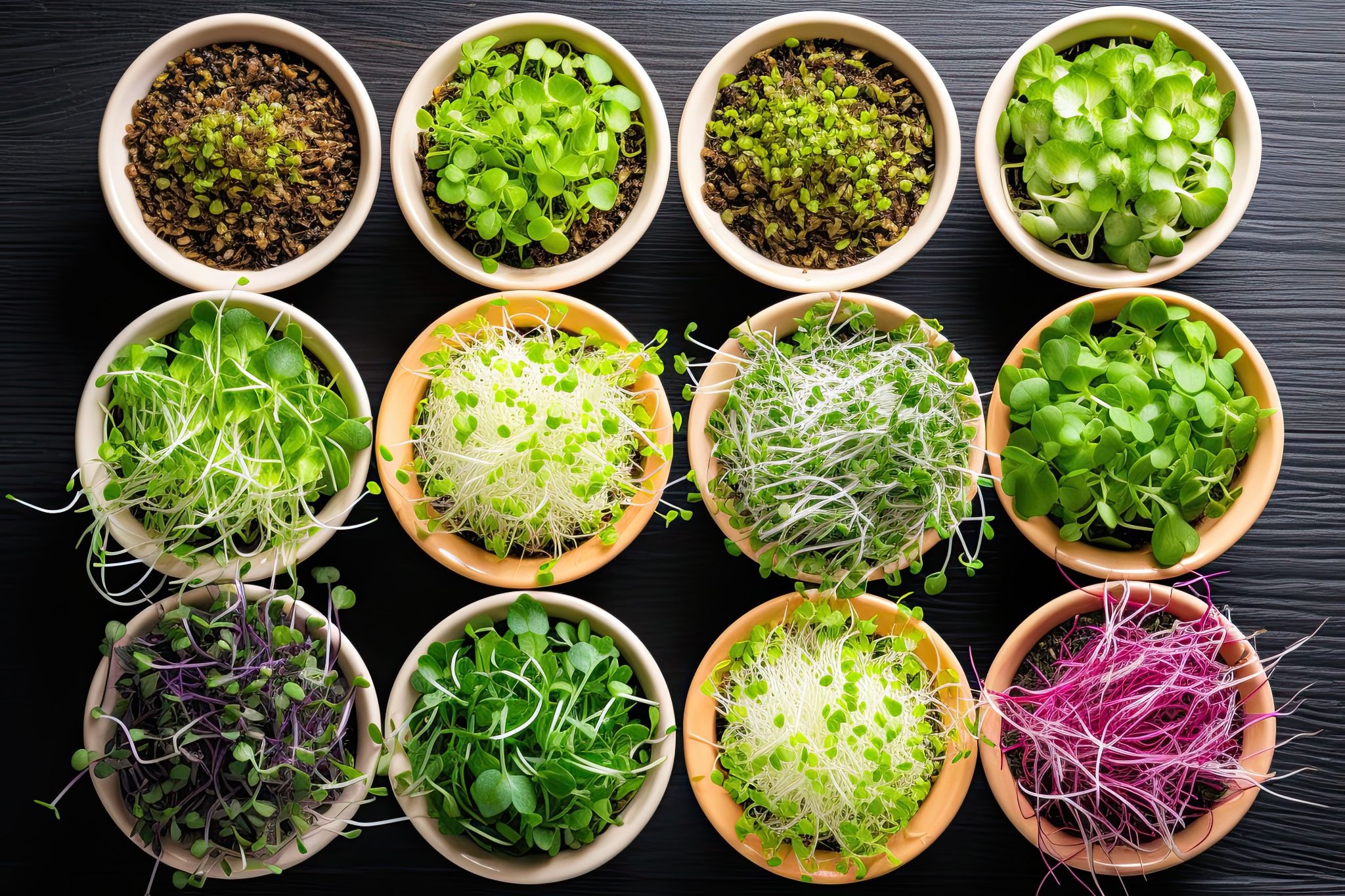
Microgreens are young vegetable, herb, or grain seedlings harvested shortly after the first true leaves develop, usually within 7 to 21 days after germination. Despite their small size, they are rich in vitamins, minerals, antioxidants, and flavor, making them highly valued by consumers, restaurants, and health-conscious markets.
Specialty crops include premium herbs, edible flowers, baby leaf greens, and other niche vegetables that offer higher market prices than conventional produce. Their unique appearance, flavor, or nutritional profile allows growers to target premium retail and food service markets.
Common examples include:
- Radish, broccoli, sunflower, pea, and kale microgreens.
- Basil, cilantro, mint, and shiso.
- Baby spinach, arugula, and specialty lettuce varieties.
- Edible flowers such as nasturtiums and violas.
Why Are They Ideal for Vertical Farming?
One of the greatest advantages of microgreens and specialty crops is their rapid production cycle. Unlike traditional vegetables that may require several months before harvest, many microgreens are ready within two to three weeks. This enables growers to harvest multiple crop cycles each month, increasing productivity and improving profitability.
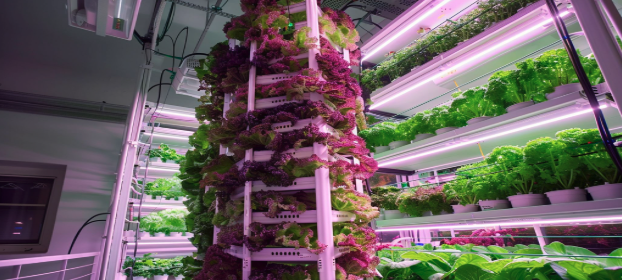
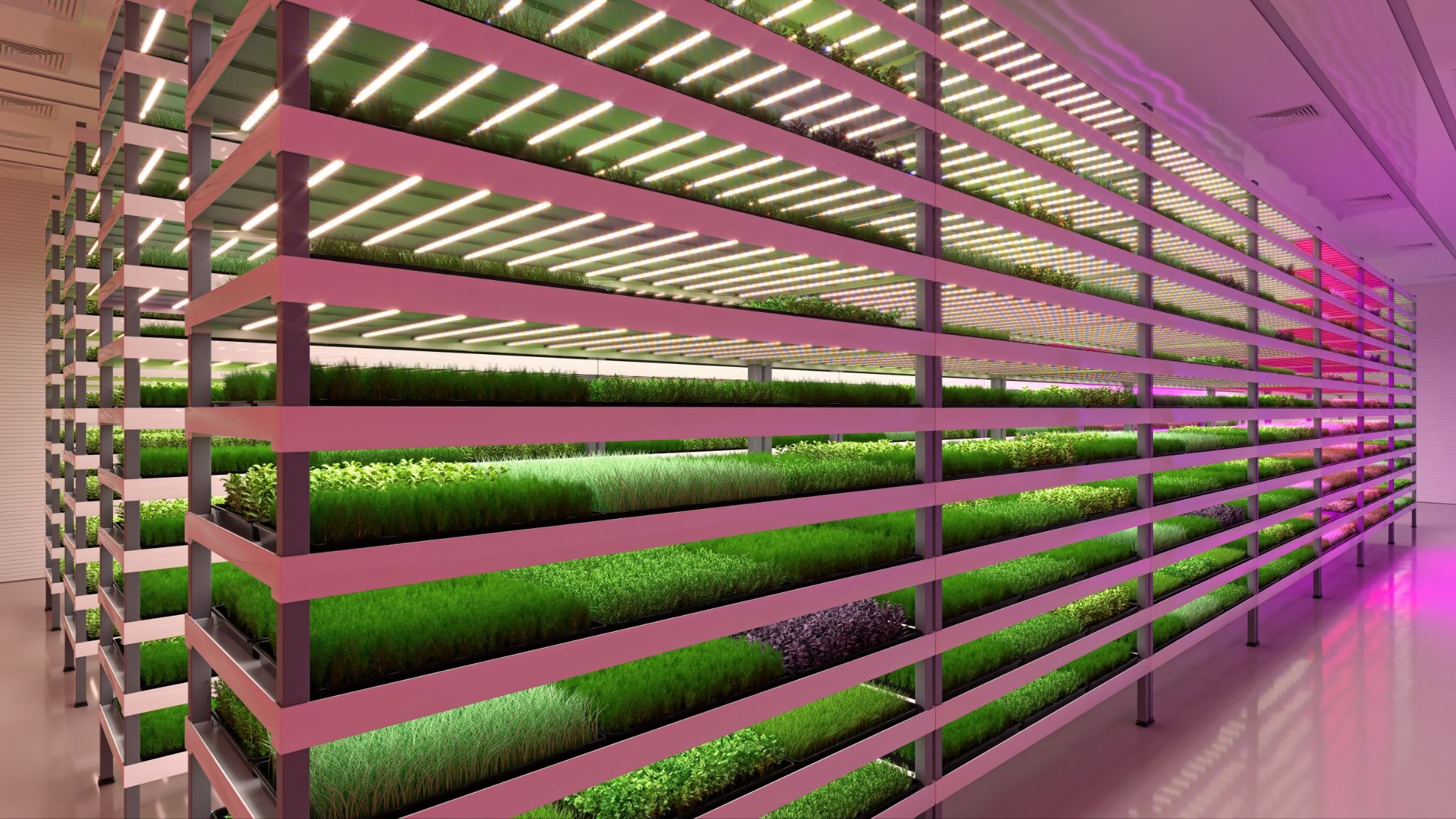
Their compact size also makes excellent use of vertical growing space. Multiple growing layers can produce large quantities of fresh crops without requiring extensive land, making indoor farms significantly more productive per square meter than conventional agriculture.
Controlled environments provide stable temperature, humidity, lighting, and nutrient conditions, allowing growers to consistently produce premium-quality crops regardless of weather or seasonal limitations.
Nutritional Value and Consumer Demand
Microgreens have gained significant popularity because of their impressive nutritional profile. Research has shown that many varieties contain higher concentrations of vitamins, antioxidants, and beneficial plant compounds than their mature counterparts.
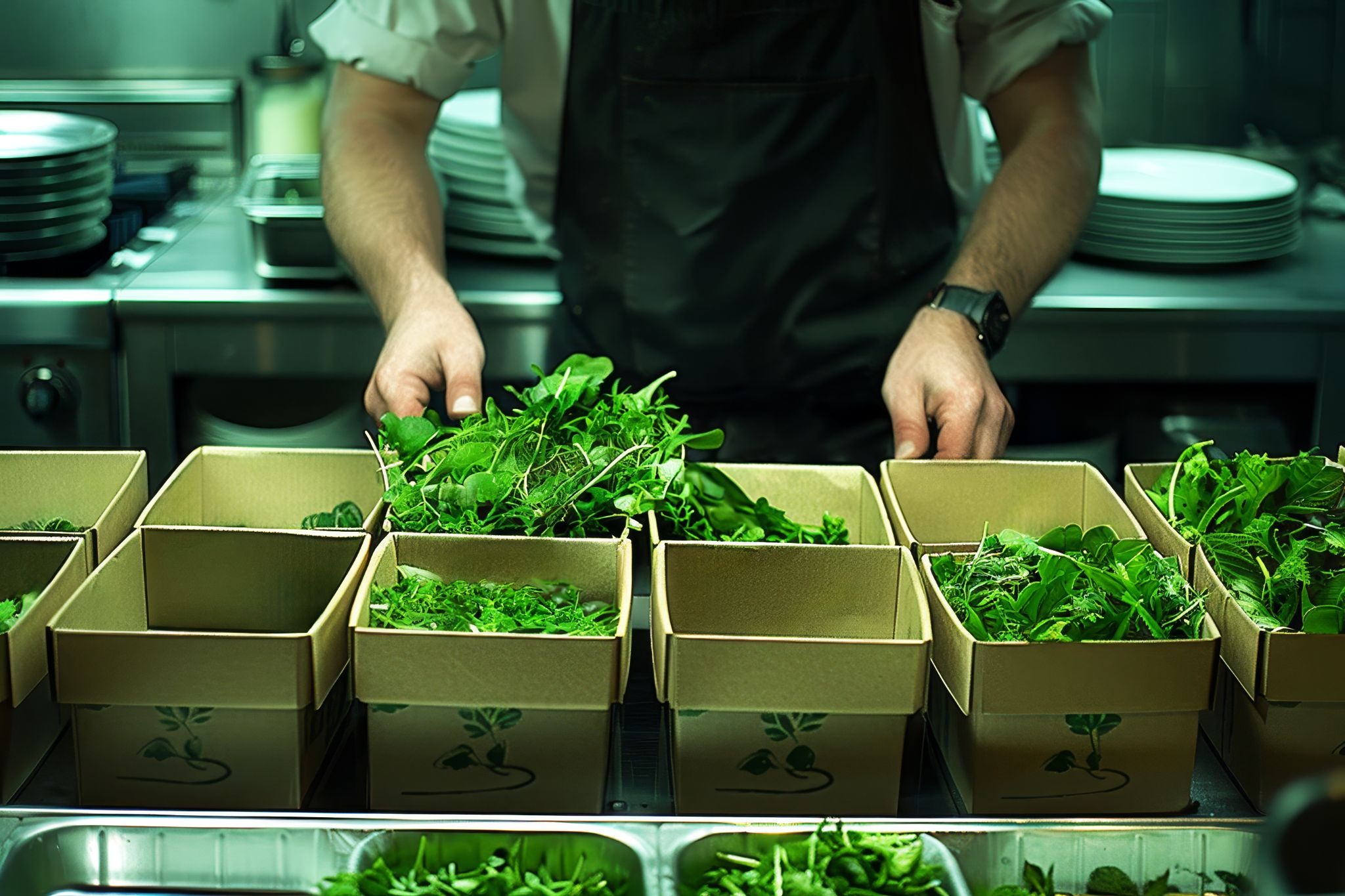
As consumers become increasingly focused on healthy eating, demand for nutrient-dense foods continues to grow. Restaurants value microgreens for their vibrant colors and intense flavors, while retailers and health-conscious consumers appreciate their freshness and nutritional benefits.
Specialty herbs and edible flowers also satisfy the growing demand for premium ingredients used in gourmet cooking, food presentation, and functional nutrition.

Technology Supports Consistent Production
Modern vertical farms rely on advanced technologies to produce uniform, high-quality crops throughout the year.
LED lighting systems deliver the precise light spectrum required for each growth stage while minimizing electricity consumption.
Climate control systems maintain stable temperatures and humidity levels that promote rapid and healthy plant development.
Automated irrigation and nutrient delivery systems ensure that every crop receives the exact amount of water and nutrients required, reducing waste while improving consistency.
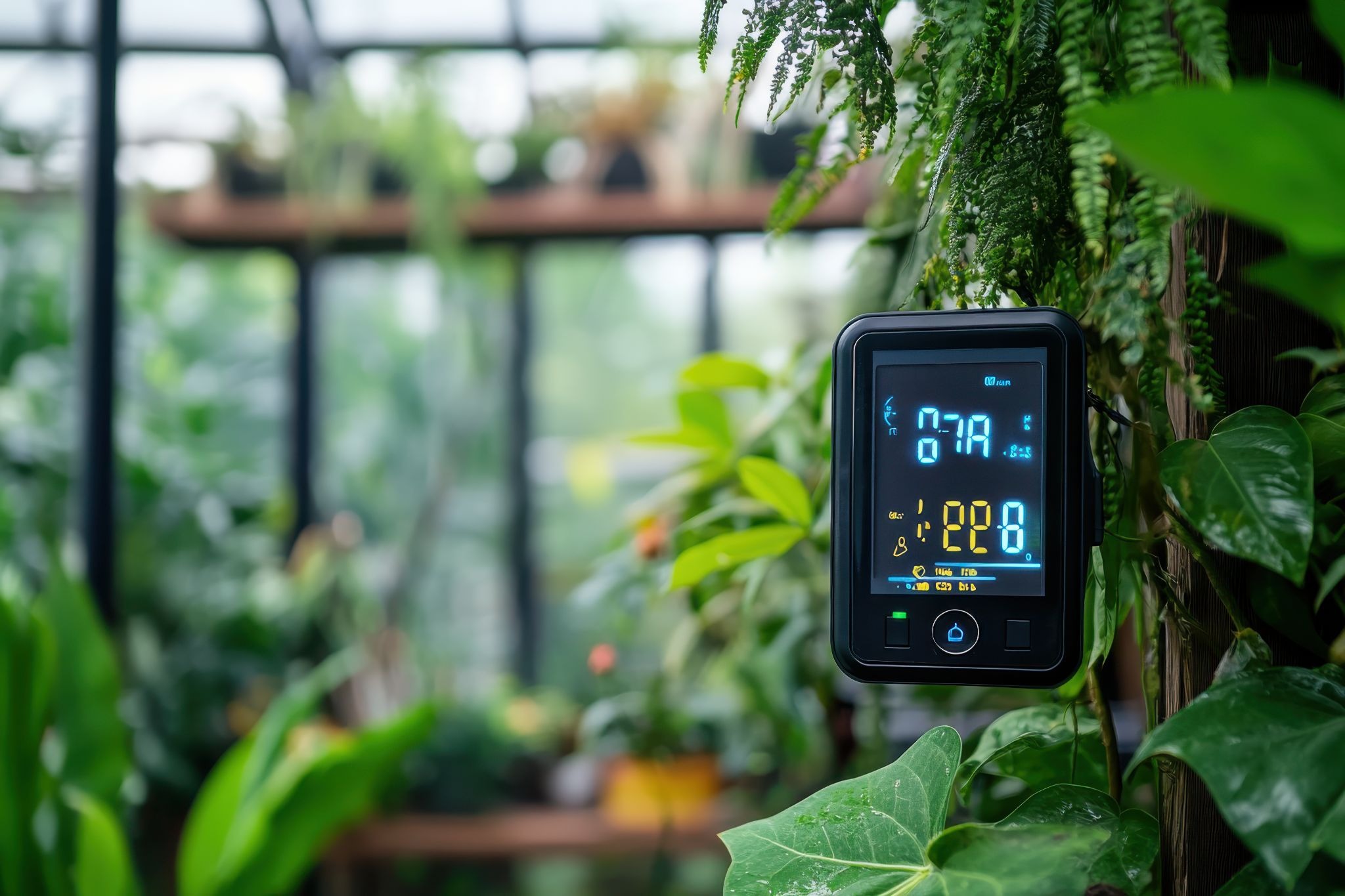
Smart sensors continuously monitor growing conditions and provide real-time data, allowing growers to quickly identify and correct any deviations before crop quality is affected.
Economic Advantages
Microgreens and specialty crops offer several financial advantages that make them particularly attractive for vertical farming businesses.
Their short production cycles generate faster returns on investment compared to traditional crops.
Premium market prices often compensate for higher production costs, especially when supplying restaurants, supermarkets, and specialty food retailers.
Because these crops require relatively little growing space, farmers can maximize production capacity while reducing transportation costs by growing close to urban markets.
Additionally, year-round production provides a stable supply regardless of weather conditions, helping growers maintain consistent revenue throughout the year.
Challenges
Although highly profitable, growing microgreens and specialty crops requires careful management.
Maintaining consistent quality is essential because premium buyers expect uniform appearance, taste, and freshness with every harvest.
Energy costs remain one of the largest operational expenses, particularly for lighting and climate control systems.
Producers must also carefully manage food safety and hygiene standards, as microgreens are typically consumed fresh with minimal processing.
Finally, market competition continues to increase as more vertical farms recognize the profitability of these crops, making product quality and operational efficiency increasingly important.

The Future of High-Value Vertical Farming
Microgreens and specialty crops demonstrate how vertical farming can move beyond traditional food production by focusing on premium, nutrient-rich products that meet changing consumer preferences. Their rapid growth, efficient use of space, and high market value make them one of the strongest business opportunities in controlled environment agriculture.
As automation, artificial intelligence, and smart farming technologies continue to improve, producers will be able to increase efficiency while delivering even higher-quality crops. With growing demand for fresh, locally produced, and sustainable food, microgreens and specialty crops are expected to remain at the forefront of the next generation of vertical farming.