



Waste Management in Vertical Farming: Composting and Biowaste Recycling
Unlike traditional agriculture, where crops are grown on a single horizontal surface across large land areas, vertical farming stacks plants in multiple layers and cultivates them under controlled indoor or outdoor conditions. These farms operate with specialized software, hardware, and an AI system, further distinguishing them from conventional farming practices. Despite these differences, they also produce biowaste.
What is Biowaste?
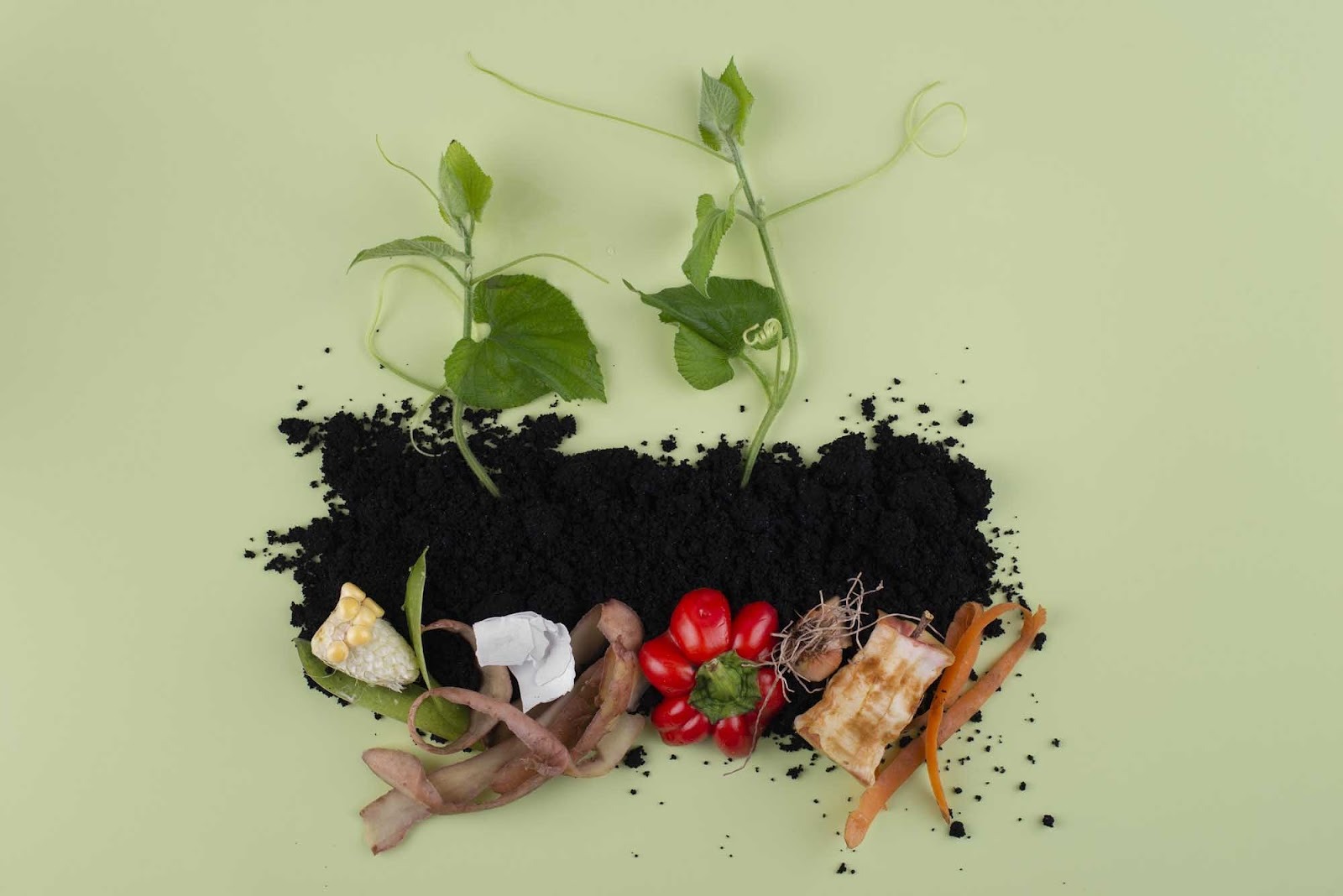
Biowaste refers to organic residues from plant or animal matter that are prone to biological degradation. In essence, it’s a naturally occurring material that can be broken down into simpler compounds. Its environmental impact can be positive or negative, depending on what is done with it.
Some examples of biowaste:
- Leftover food
- Fruit and vegetable scraps
- Wilted flowers and bolted leaves
- Coffee and tea grounds
- Animal bones
- Eggshells
Why is Proper Biowaste Disposal Important?
Leaving organic material on the landfill can be a serious threat to plants and animals. It produces toxic runoff caused by rainwater accumulation, which can enter the ecosystem and disrupt biodiversity. An even greater threat is methane production, which harms air quality and amplifies the greenhouse effect. However, if recycled, biowaste can be a valuable source of green energy or a nutrient-rich supplement for plants.
Biowaste Recycling
Recycling of biodegradable waste involves a set of processes that convert organic waste into material that can be reused. The goal is to improve the sustainable use of natural resources and reduce environmental impact. There are two options for biowaste recycling: composting and anaerobic digestion.
Some plant residues can’t be composted or reused, but regardless, vertical farms try to reuse as much as they can.
Composting
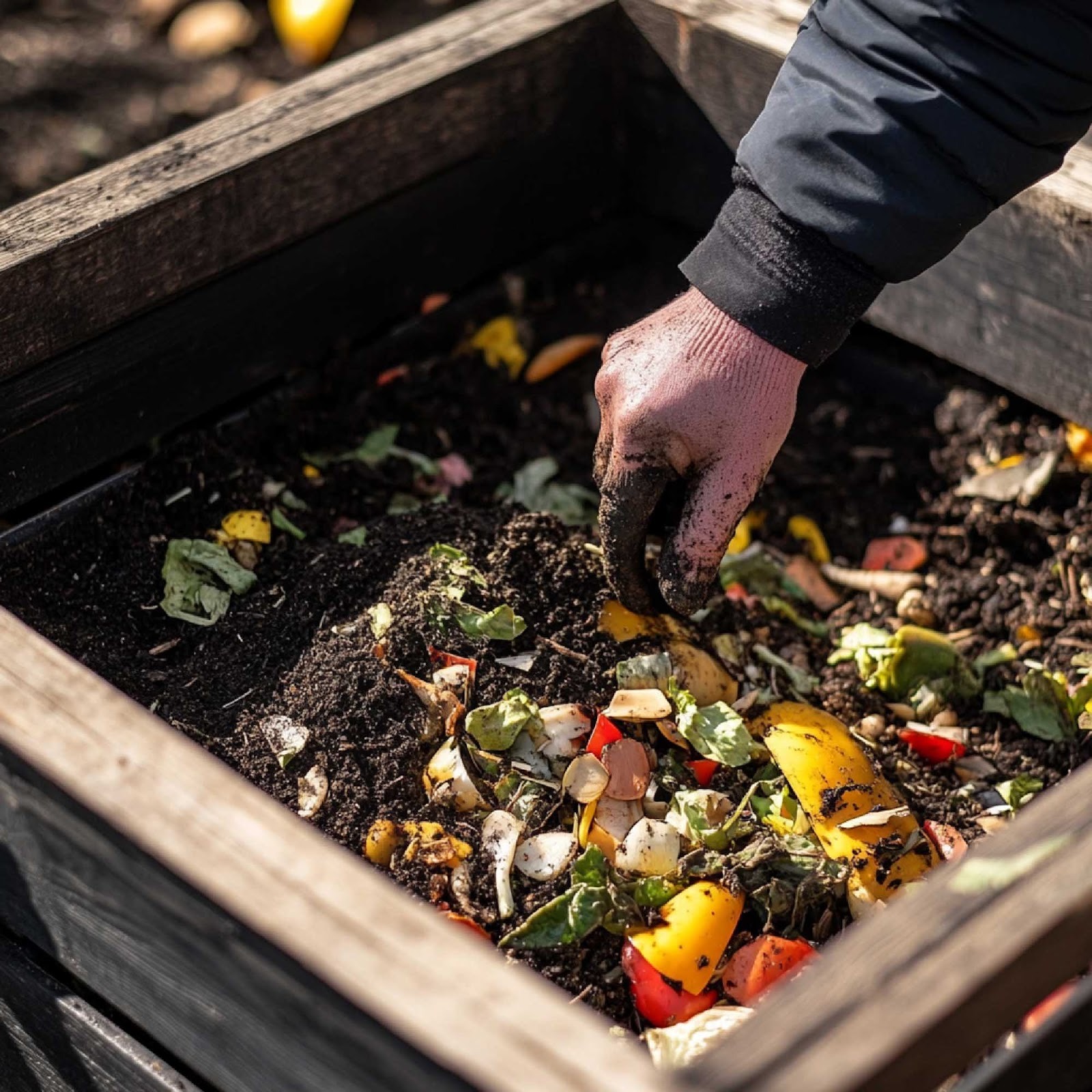
Composting is the process of converting organic material into a soil-like mixture under oxygen-rich conditions. This mixture can be used as a nutrient-rich fertilizer that supports faster and healthier plant growth.
What is Compost Made Of?
It’s made of brown and green material layers placed in specially prepared areas or bins. Brown materials include branches and cardboard, while green materials include food scraps, leaves, and grass. Materials are cut into small pieces to speed up decomposition. The final layer is covered with a thick, wet, and brown material coating. Compost is ready for use 4 weeks after organic materials are fully decomposed. It can be implemented in agriculture, land rehabilitation, and landscaping.
Anaerobic Digestion
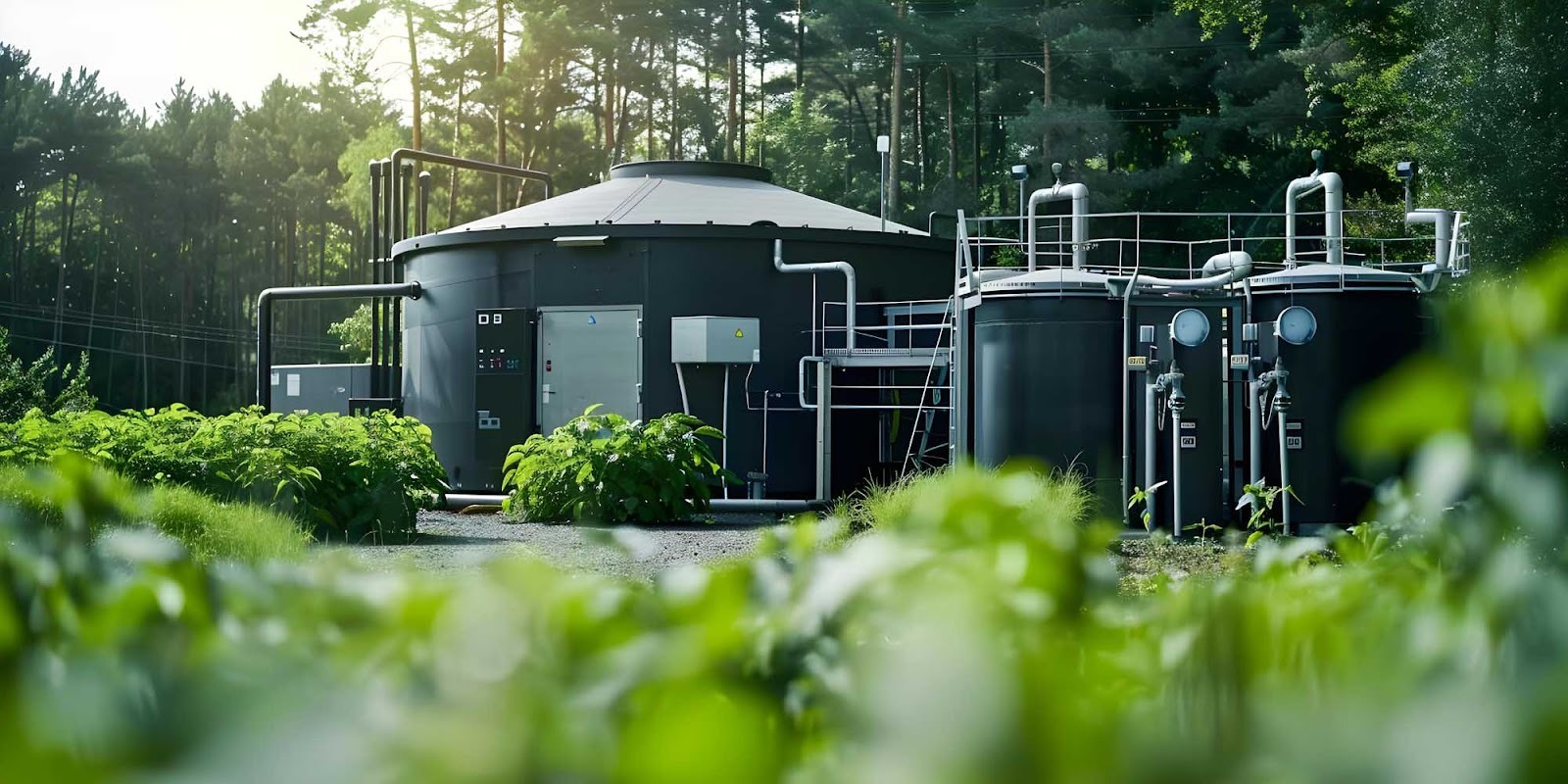
Although similar to composting, this process occurs in an enclosed, sealed vessel called a reactor. This practice decomposes organic materials without oxygen.
What Materials Are Used in Anaerobic Digestion?
The wastes that can be included in the mixture are animal manure, wastewater biosolids, food waste, and other organics, such as fats and oils. The final product is natural gas that can be used to generate electricity, power systems and cooling processes, and provide heat.
Vertical Farming Biowaste
Since vertical farms cultivate plants, they don’t produce any animal-based waste. The most common waste they generate is leaves, stems, roots, damaged fruit, algae growth from the water recirculation system, and leftover plant matter from system maintenance.
Vertical farms use both composting and anaerobic digestion to utilize biological waste. By following these process guidelines, they generate electricity and heat that are returned to the same farms where they are produced in the first place. As a result, every part of the input is used to its full potential, leaving little to no excess organic waste. This is known as a closed-loop system.
Closed-Loop System
Even water is reused within this cycle. After filtration, it’s recirculated back into the system, primarily in hydroponic nutrient solutions. When relying on soil, composting further supports nutrient renewal, ensuring that both water and organic matter are used continuously.
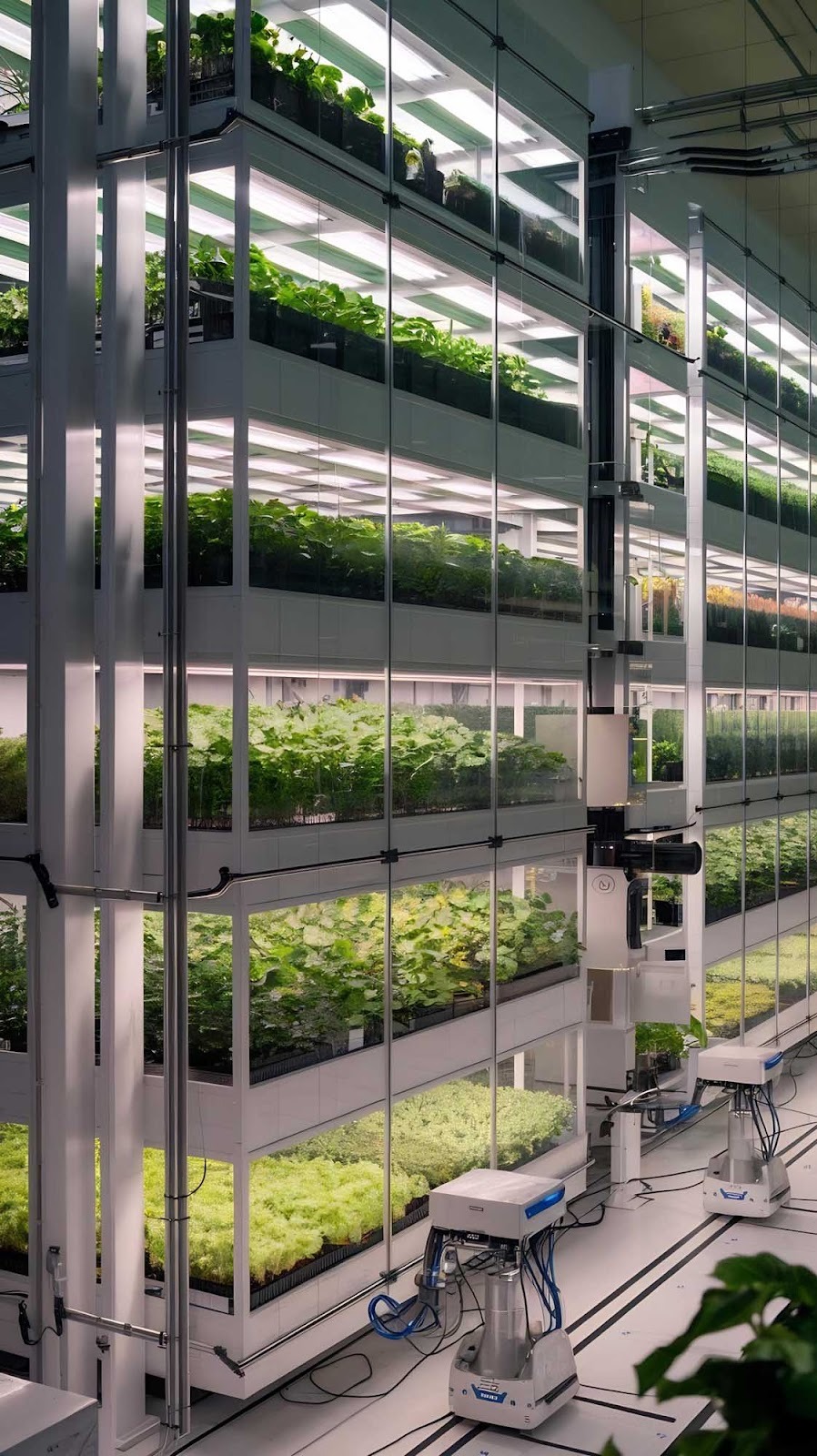
Vertical Farming for Environmental Sustainability
Globally, organic waste generation is estimated at around one billion tons per year, which significantly contributes to global warming and climate change. Vertical farms, with their space and water-saving solutions, aim to minimize their environmental impact. Therefore, they also provide effective solutions for managing organic waste.
With composting and anaerobic digestion recycling options, they strive to use every part of their inputs as efficiently as possible, which is one of the reasons vertical farming is becoming increasingly recognized as an eco-friendly solution.