


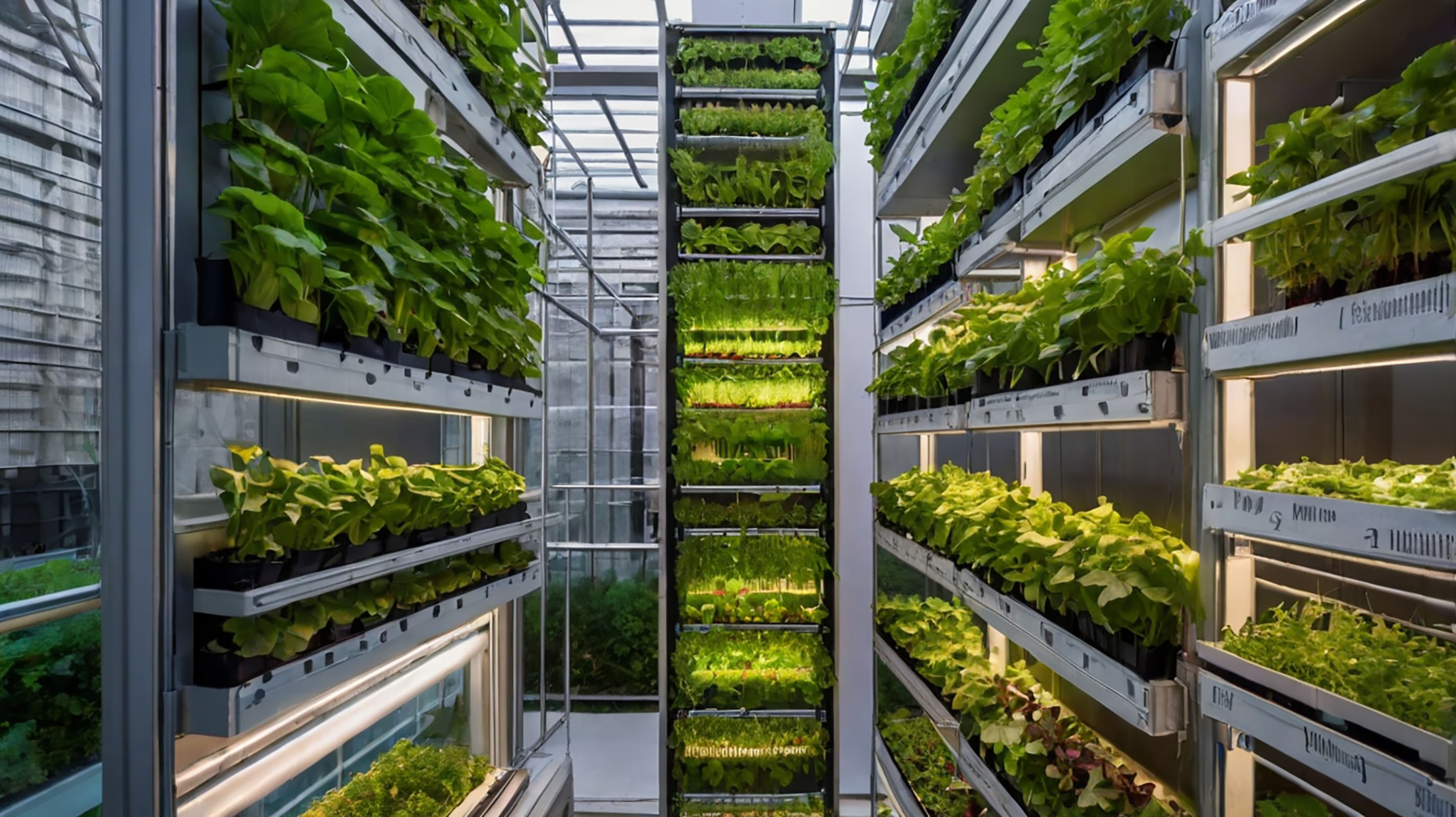
Vertical Farms in Hotels and Restaurants: How Local and Fresh Food is Transforming Hospitality
In modern hospitality, hotels and restaurants are seeking ways to offer guests food that is fresh, local, and nutritionally rich. Vertical farms, which allow plants to grow in carefully controlled urban environments, are becoming a leading trend in the hotel and culinary industries. This approach not only promotes sustainability but also ensures maximum freshness and high-quality ingredients.
Vertical Farms in Hotels
Hotels worldwide are increasingly integrating vertical farms to improve food quality and offer guests a unique experience. Ingredients grown on-site are used directly in hotel restaurants and bars, ensuring maximum freshness and quality.
Benefits of implementing vertical farms in hotels include:
- Enhanced brand value – Guests increasingly seek authentic and sustainable experiences, and hotels offering food from their own farms stand out in the market and strengthen their reputation.
- Sustainable production – Vertical farms reduce the need for food transport, lowering the carbon footprint and environmental impact of the property.
- Guest education and interaction – Many hotels offer farm tours and organize educational workshops, enriching the guest experience and supporting the local community.
Urban examples from cities such as Singapore and Tokyo demonstrate how hotels successfully integrate vertical farms, cultivating herbs, microgreens, and vegetables that are immediately used in hotel restaurants, ensuring constant availability of fresh and nutrient-rich ingredients.
Vertical Farms in Restaurants
Restaurants that integrate vertical farms gain advantages in quality, freshness, and presentation. Microgreens and fresh salads become integral parts of the menu, attracting guests seeking innovative and nutritionally rich options.
Applications of vertical farms in restaurants include:
- Mini kitchens farms – Compact vertical farms placed directly in the kitchen allow chefs to harvest fresh ingredients on demand, ensuring optimal freshness and quality of dishes.
- Urban farming in city restaurants – Vertical farms mounted on walls or within greenhouses optimize space while ensuring continuous availability of fresh produce.
- Year-round seasonal menus – Controlled growing conditions allow restaurants to offer seasonal ingredients throughout the year without compromising quality or nutritional value.
Technology Driving Success
Vertical farms in hospitality rely on advanced technologies to enable efficient, controlled, and sustainable plant growth:
- LED lighting – Provides an optimal light spectrum for photosynthesis regardless of external weather conditions, ensuring consistent plant growth.
- Automated irrigation systems – Precisely deliver water and nutrients, minimizing waste and reducing operational costs.
- Climate and humidity control – Maintains stable growing conditions, enabling continuous plant production throughout the year.
- Sensors and IoT technology – Allow real-time monitoring of plant growth, helping chefs and managers optimize yields, quality, and nutritional value.
Benefits for Guests and Hospitality Providers
Implementing vertical farms in hotels and restaurants brings multiple advantages for both guests and hospitality operators:
- Freshness and nutritional value – Ingredients are harvested immediately before preparation and serving, ensuring maximum freshness and retention of nutrients.
- Transparency and trust – Guests can observe the cultivation process, increasing confidence in the quality and safety of the food.
- Environmental responsibility – Reduced transportation and waste contribute to a lower carbon footprint and more sustainable operations.
- Creative and diverse menus – Chefs gain access to a wider variety of fresh ingredients, enabling innovative dishes and experimentation with different vegetables and herbs.
Challenges and the Future of Vertical Farms in Hospitality
Although the advantages of vertical farms outweigh potential obstacles, certain challenges must be considered:
- High initial costs – Investing in equipment and technology can be significant, especially for larger establishments, requiring careful budget planning.
- Required expertise – Staff must be adequately trained to maintain farms and operate advanced technologies to ensure optimal growth and ingredient quality.
- Limited space – In some hotels and restaurants, finding enough space for larger vertical farm installations can be challenging.
Despite these challenges, an increasing number of hospitality establishments recognize vertical farms as a long-term investment that pays off by improving food quality, differentiating the brand, and supporting sustainable operations.
The Significance of Vertical Farms for the Future of Hospitality
Integrating vertical farms in hotels and restaurants fundamentally changes how food is produced and served. Guests enjoy local, fresh, and nutritionally rich dishes, while hospitality operators reduce waste and optimize transportation costs.
This concept represents the future of urban hospitality, combining technology, sustainability, and gastronomy into a unique experience. Hotels and restaurants that adopt this model not only enhance their competitiveness but also contribute to sustainable development and the overall improvement of food quality.