


Vertical Farming for Rare and Exotic Plants: Unlocking Niche Markets
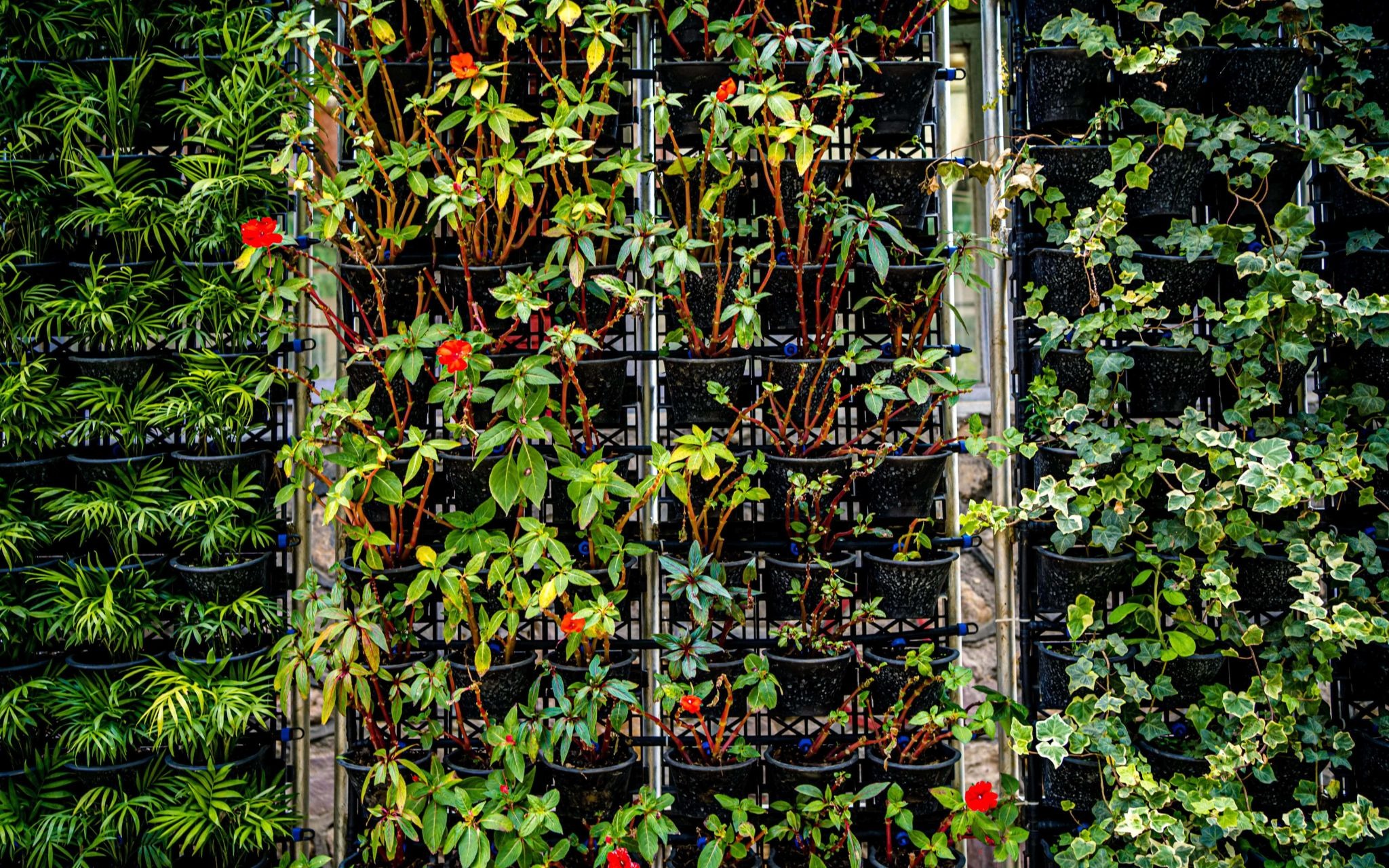
Many countries around the world rely heavily on food imports because traditional agriculture struggles in regions with extreme or unstable weather conditions. Vertical farming is recognized as an ideal solution, enabling optimal growing conditions for each plant, regardless of the external climate. This modern approach not only enables more efficient cultivation of plants commonly found on supermarket shelves but also makes it possible to grow rare and exotic species. As demand for rare and exotic plants increases across various industries, this agricultural practice is worth exploring.
Rare and Exotic Growth in Vertical Farms
What sets vertical farming apart from traditional practices is the use of modern systems powered by technology and artificial intelligence, which enable easy and efficient adjustment of growing conditions. In vertical farms, AI continuously collects and analyzes data on plant growth conditions and uses it to tailor their ongoing care. By adjusting climate, lighting, temperature, and humidity, this method can support the growth of many plant species throughout the year, regardless of the weather, climate, or season.
Difference Between Rare and Exotic Plants
Many people assume that rare and exotic plants are the same, as exotic plants are not widely available, but there is a significant difference.
Some plants are classified as rare either because they are hard to find in nature, in the market, and in agriculture, or because they are becoming endangered. In contrast, exotic plants are easier to find, but they grow only in specific geographical regions. Therefore, they are rare only in terms of their limited availability in the marketplace.
Rare Plants Preservation
Vertical farming is particularly valuable for preserving plant species that are slowly going extinct. The problem of plant endangerment is addressed by carefully protecting the remaining specimens of a species and actively supporting their continued reproduction. Since climate conditions often drive their population decline due to global warming, as well as grazing, pests, and habitat destruction caused by overharvesting, the key is to provide them with a stable, safe environment that suits them best. This is exactly what vertical farms can do.

Stakeholders in Rare and Exotic Plants
The capabilities of vertical farms are particularly beneficial for luxury restaurants, horticultural enthusiasts, educational institutions, pharmacists, and cosmetologists. With a vertical farm built nearby, these professionals would be able to get what they need locally and likely at a lower price due to reduced transportation costs.
Restaurants
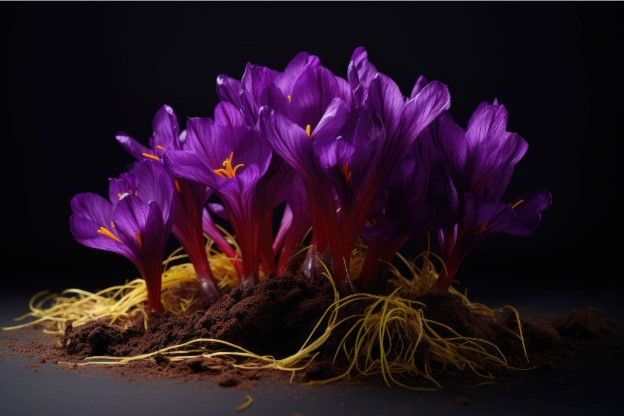
Many restaurants aim to stand out in a highly competitive market by incorporating rare and exotic plants and fruits into their menus. Some of the most commonly grown exotic culinary herbs in vertical farms include saffron, shiso, and Thai basil. Exotic fruits are mostly used in beverages, smoothies, and desserts, but they also complement a wide variety of savory dishes. Some of them are durian, jackfruit, rambutan, mangosteen, and star fruit.
In addition to using rare and exotic plants and fruits in their dishes, fine-dining restaurants incorporate them into plate presentation and interior design. This way, they project an image of luxury and exclusivity, positioning themselves at the top of the list of modern, prestigious restaurants.

Horticultural enthusiasts
This practice of cultivating exotic and rare plants can be particularly interesting to passionate nature enthusiasts, as they can use it to explore plant growth in detail, the plants themselves, and their possible uses, whether in cuisine, science, or art. Some enthusiasts enjoy simply owning and observing these plants in their greenhouses, without feeling the need to actively cultivate or utilize them in any particular way.
Botanical Gardens & Educational Institutions
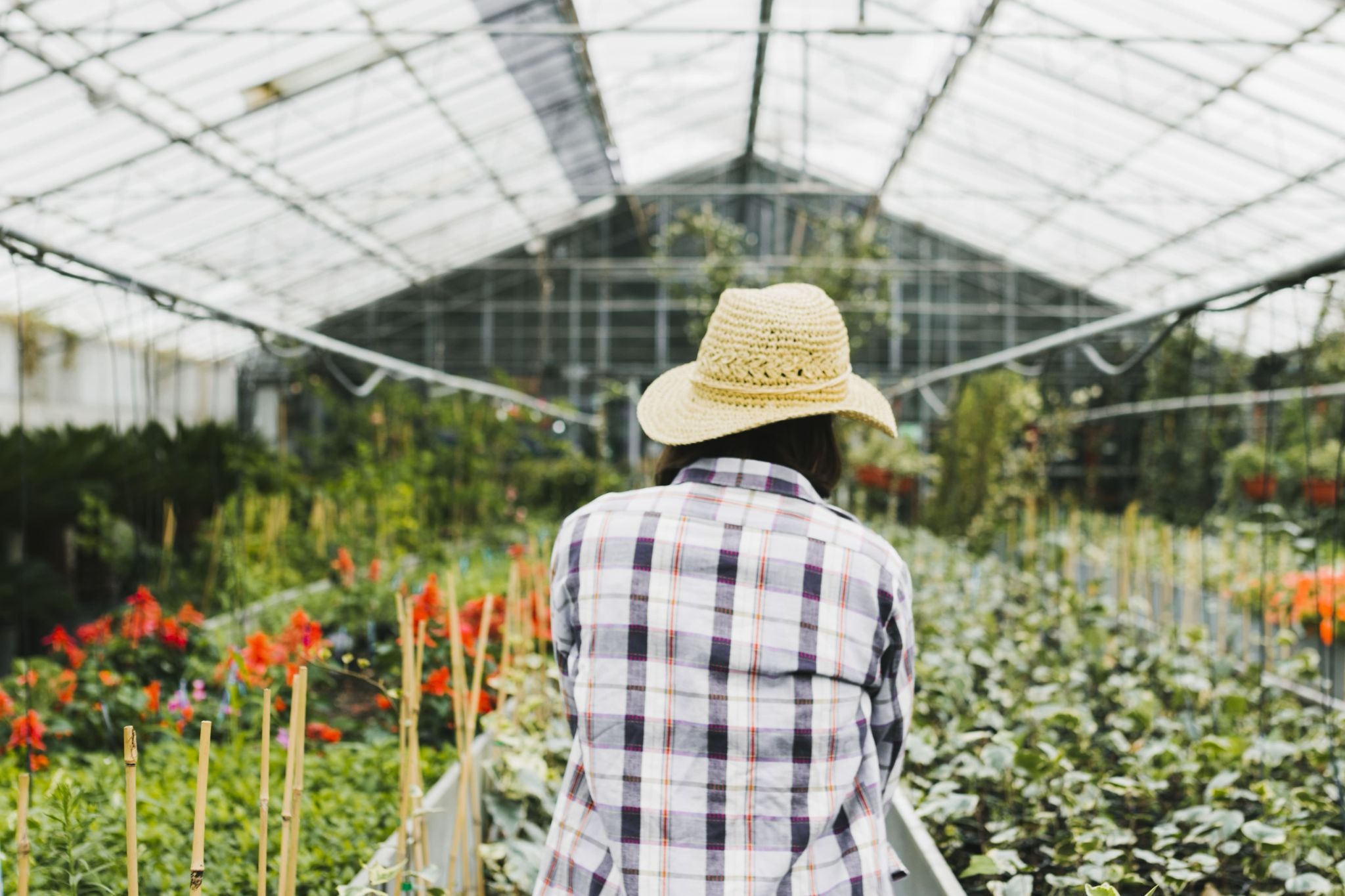
Botanical gardens and educational institutions can also greatly benefit from possessing certain exotic and rare plants, precisely because of their role in educating future botanists, phytopathologists, agrobotanists, ecological conservators, systematists, and pharmaceutical botanists. Wider availability of plants leads to greater expertise among future specialists.
Medical and Wellness Practitioners
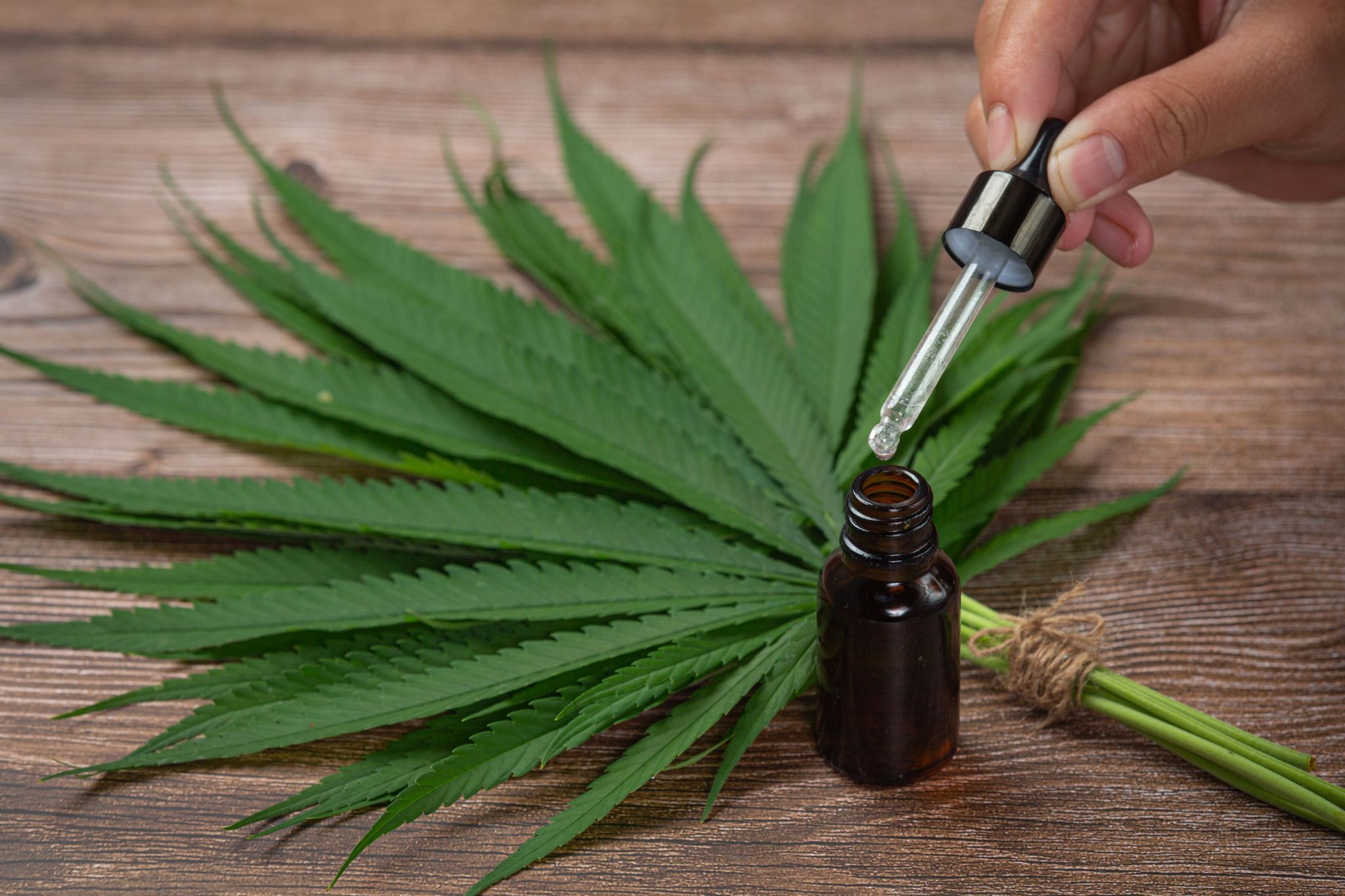
The preservation of rare plants is particularly significant for the pharmaceutical industry, where the development of important medications depends on access to certain plants. Compared to traditional farms, vertical farms represent a better option for plant cultivation for these purposes, due to more reliable control over hygiene, nutritional value, and pesticide use. A notable example is medicinal cannabis cultivation, which people use for certain health conditions.
Superfood Lovers
The market is also expanding in the health and nutrition sector, particularly with the growing demand for superfood-based meals, which offer significantly higher nutrient content than food typically found in supermarkets. Some of the foods that fall into this category and can be grown in vertical farming include spirulina, wasabi arugula, and red amaranth.
Rare and Exotic Plants - Real Opportunities
This niche market has strong potential across multiple industries, making the cultivation of rare and exotic plants a highly profitable choice. In addition to their economic potential, vertical farms can promote healthier and more sustainable eating habits in communities. By increasing the availability of rare and exotic plants and their produce on store shelves, they can also increase public interest, which may help raise awareness about biodiversity and reduce the risk of further plant endangerment.