



Urban Rooftop Farms: Turning City Spaces into Green Gold
The global population has grown significantly over the past two decades, putting increasing pressure on urban areas. Cities are becoming overcrowded, and climate change is intensifying. As a result, the availability of high-quality land for food production is declining, while the demand for organic, healthier food is higher than ever. In response to these challenges, urban rooftop farming has emerged as a promising solution. Here is a closer look at what urban rooftop farms are and the environmental benefits they can deliver.
What are Urban Rooftop Farms?
Urban rooftop farms are exactly what their name suggests: farms built on top of the buildings in the heart of large cities that lack space for local food production. They differ in construction and functionality.
Rooftop Greenhouses
These farms have their own roofs that provide protection, allowing them to be used even during winter, as they are equipped with systems that protect crops from wind and cold.
Open-Air Rooftop Farms
This type is fully open, and it is closer to traditional farming, as it has direct access to natural conditions. The setup expenses for this type are lower because there is no need to install a ventilation system.
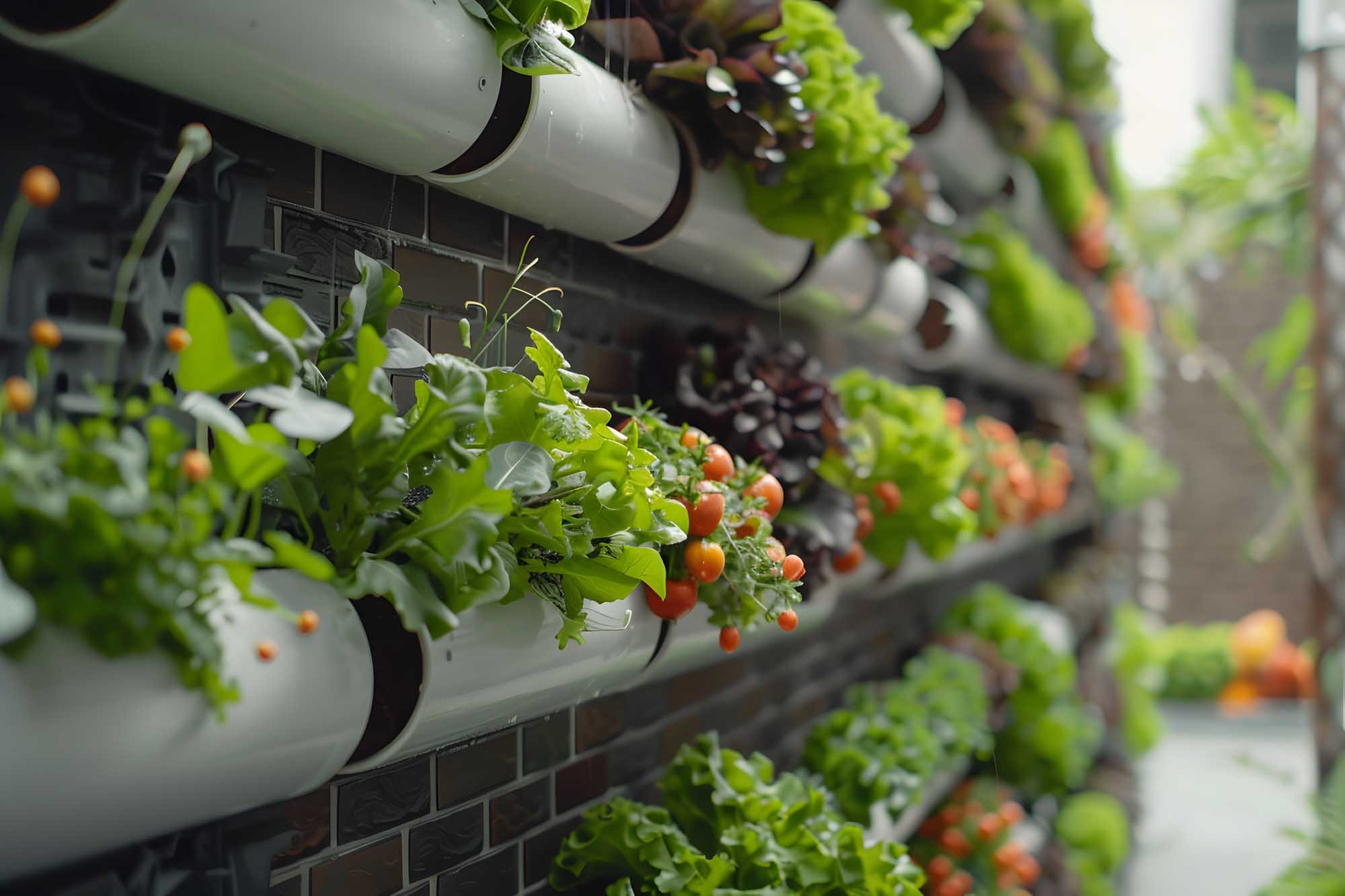
Monofunctional Rooftop Farms
These farms are dedicated solely to growing plants, whether for building residents or market consumers.
Multifunctional Rooftop Farms
In addition to cultivating food, this type of farm provides recreational spaces, educational opportunities, and social gathering areas for the community. By hosting workshops, school programs, or community events, they combine urban agriculture with opportunities for community connection.

Urban Rooftop Farm Benefits
By implementing this modern agricultural setup, three key challenges can be addressed: food security, space optimization, and environmental protection.
Food Security
Building farms in cities allows residents to grow healthy and organic food locally. This practice could reduce urban dependence on imported products from rural areas, allowing fresh food to reach city markets faster. This way, food would retain more of its nutritional value and stay fresh for longer.

Space Optimization
By selecting roofs for farm construction, spaces that would otherwise remain unused can be utilized. In this way, overlooked spaces can be revitalized, making the city more functional.
Environmental Protection
This eco-friendly practice could help cities reduce air pollution, increase green spaces, and mitigate high temperatures caused by urban heat buildup, significantly improving the overall quality of life in the city. Additionally, these farms could absorb rainwater, reducing flood risk, and support biodiversity by providing habitats for bees and butterflies. They could also provide effective building insulation, lowering overall energy consumption and reducing the carbon footprint by minimizing food transportation.

Economic Benefits
By minimizing the need to transport food over long distances, rooftop farms could reduce transportation costs as well. Storage costs would also decrease, as rapid distribution would reduce the need for long-term warehousing. Because of these benefits, losses would be significantly reduced for producers and sellers. Additionally, relying less on external suppliers would increase resilience to supply disruptions, reducing the risk of shortages and price increases.
As the popularity of organically grown food as a healthier option is increasing, this trend could create new jobs and help retain money within the community, contributing to its overall development.
Social Benefits
Beyond improving the local community’s well-being by providing more nutritious food, implementing these farms can promote healthier lifestyles and, in turn, greater community resilience.
These farms wouldn’t have to be built only on rooftops. In large cities, there is an increasing number of underdeveloped neighborhoods that are prone to criminal activity. Building farms in these areas could revitalize isolated neighborhoods, encourage community activities, and help reduce crime.

Greener Roofs - Healthier Cities
Urban rooftop farms represent an innovative approach to making cities more sustainable, livable, and resilient. By transforming unused spaces into productive areas, these farms not only provide fresh food but also enhance the environment, support the local economy, and strengthen connections within the community. Beyond practical benefits, urban rooftop farms contribute to healthier lifestyles and safer neighborhoods. This demonstrates that urban agriculture can play a key role in addressing both social and ecological challenges in cities.