

Smart Sensors in Vertical Farming: Boosting Yield and Reducing Waste
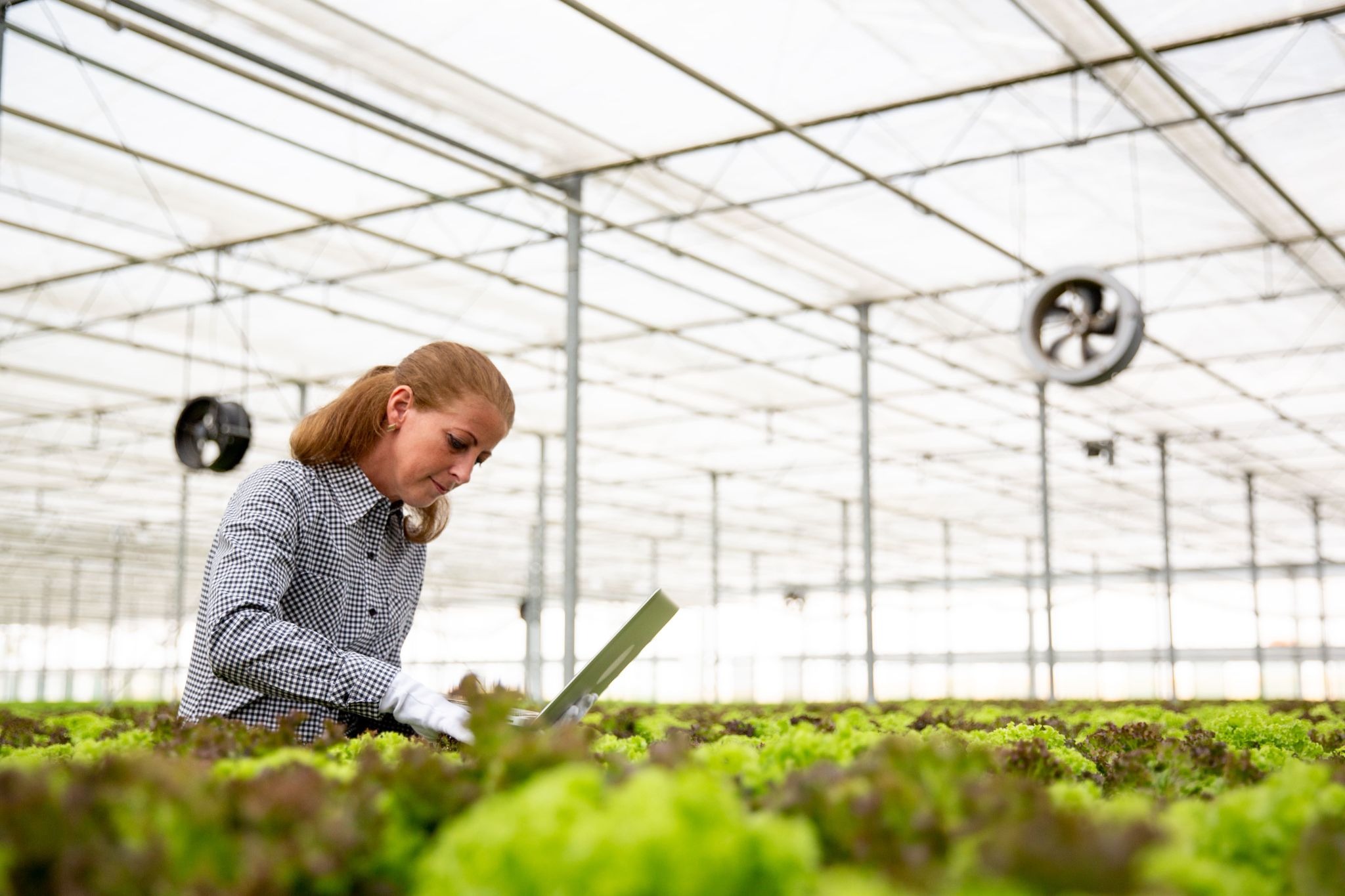
Key factors that determine proper plant development include the choice of substrate, seed quality, and the care provided during its growth, such as watering, light exposure, fertilization, and temperature control. Despite farmers’ efforts, maintaining consistent yields in traditional agriculture has become increasingly difficult, as unpredictable weather can often negatively affect crops. With climate change becoming severe, there are growing concerns about how long outdoor food production will remain reliable. A promising solution is vertical farming, which enables farmers to produce food in controlled indoor environments. Not only does vertical farming make crop outcomes more reliable, but it also uses smart sensors, IoT systems, and artificial intelligence to precisely determine what plants need for optimal growth. Here is more about the role that smart sensors play in plant cultivation.
What are Smart Sensors?
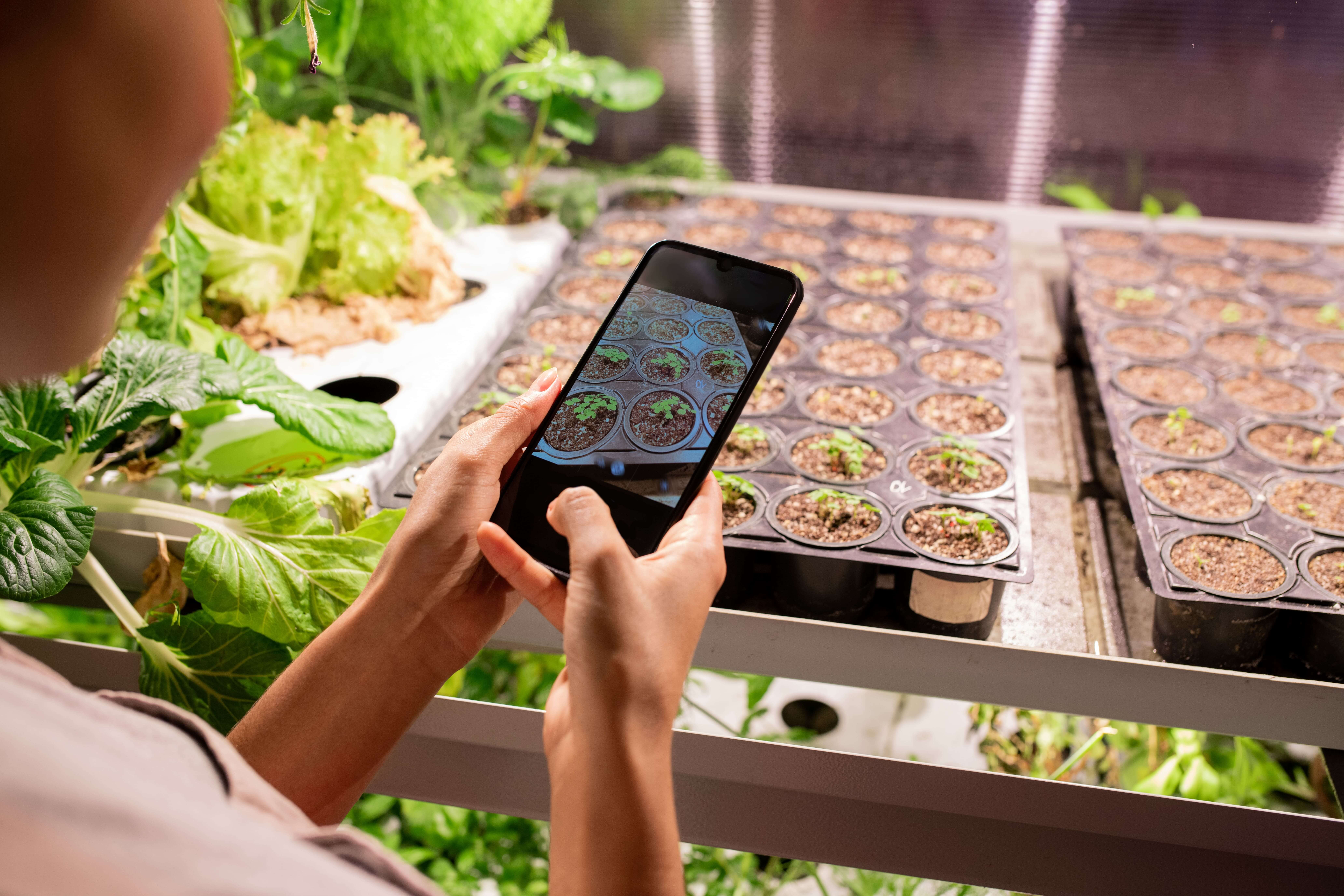
Smart sensors are IoT-enabled devices that monitor environmental parameters during plant cultivation and collect real-time data about plant conditions and needs. They are programmed to track nutrients, humidity, lighting, and climate conditions.
Nutrient sensor - analyzes the growing medium and its concentration of nitrogen, phosphorus, and potassium to determine whether fertilization is needed, as well as how much and when it should be applied.
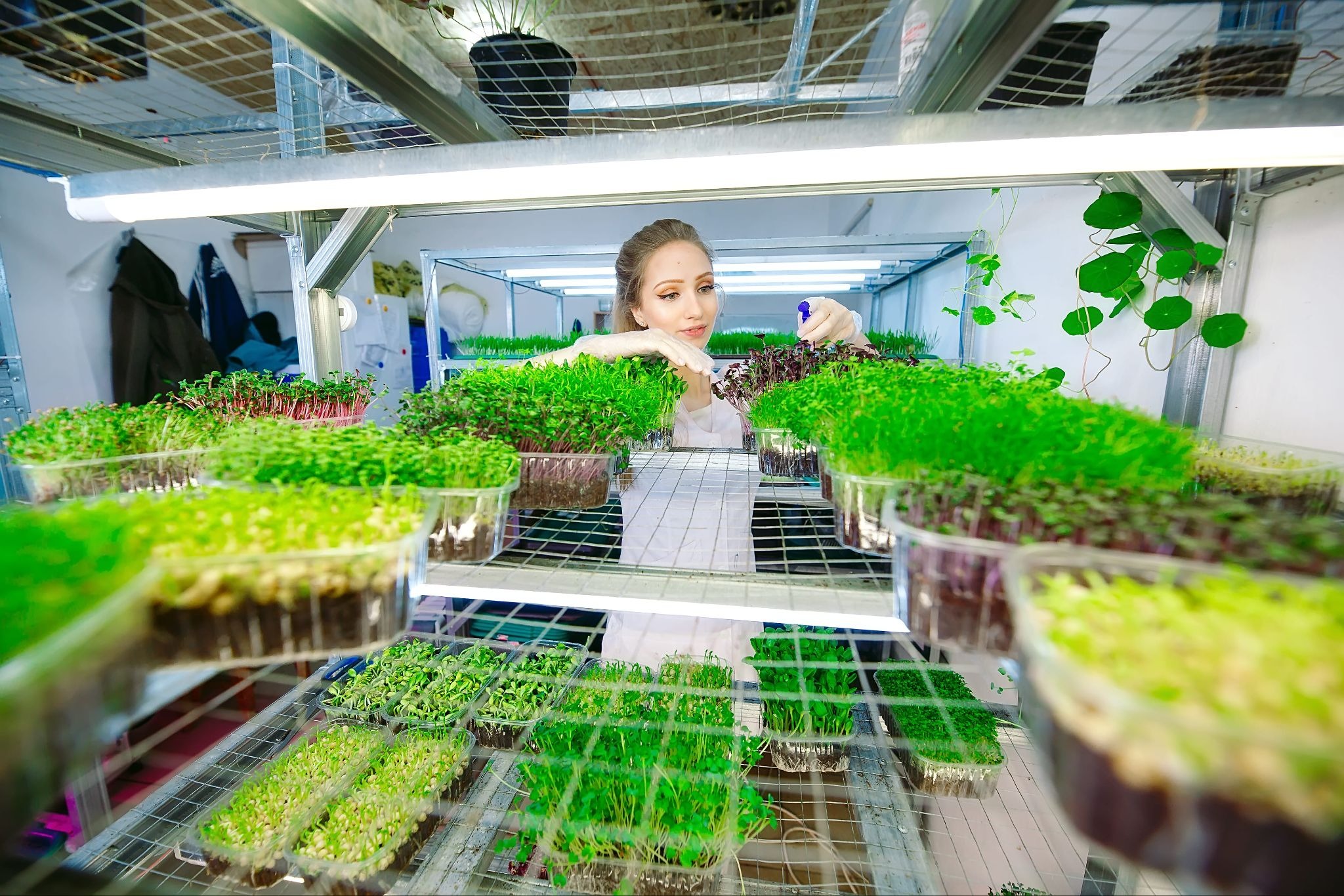
Water sensor - measures whether the plant needs more or less water before it becomes overwatered or dries out.
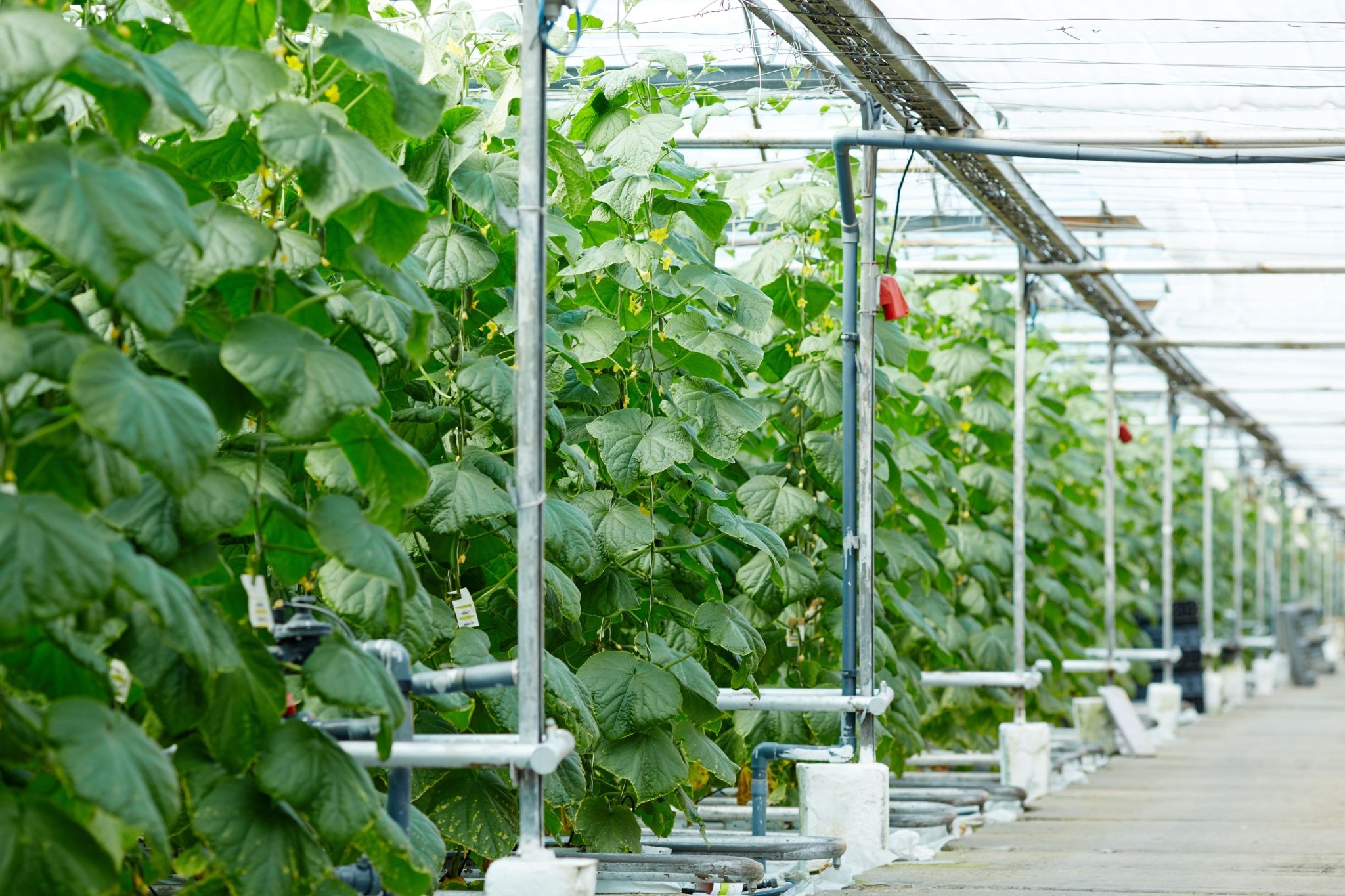
Infrared imaging sensor - detects heat, light reflection, and stress indicators, enabling early disease detection, even before it becomes visible to the naked eye. It can also estimate photosynthesis activity levels.
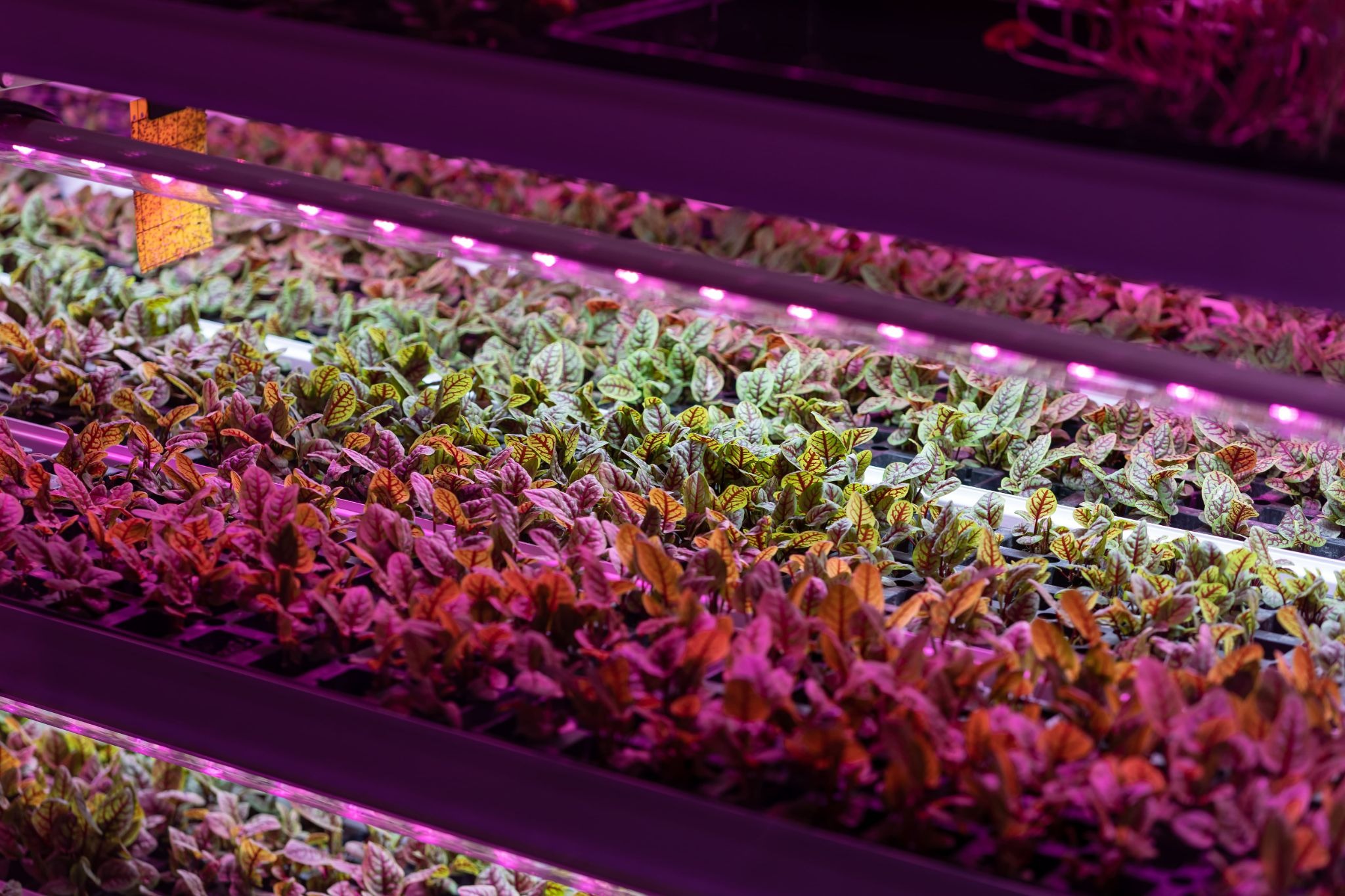
Other sensors measure pH, CO2, and humidity level.
Why Is It Better Than Traditional Farming?
The main reason why smart sensors combined with vertical farming are a significantly better option than traditional methods is the level of predictability they provide. Unlike traditional farming, which almost entirely depends on nature, smart sensors in vertical farms turn plant cultivation into a fully data-driven process. This level of precision creates optimal conditions at the individual plant level, allowing farmers to predict yields while achieving higher, more consistent, and better-quality production. They also allow remote system control via connected devices.
Smart sensors enable more efficient resource use, which reduces waste and protects the environment by preventing chemical runoff. This also enables significant cost savings, especially due to reduced manual labor requirements.
This approach to smart plant cultivation promotes sustainability, a better relationship with nature, and meets the growing demand for healthier, more responsibly grown food that people are increasingly turning to.
How Do Smart Sensors Work?
Sensors collect biological and environmental data by converting real-world conditions into electrical signals and transmitting them to an IoT network. The network then forwards the data to the cloud, where it is analyzed using artificial intelligence. Through this analysis, AI predicts potential issues and suggests appropriate actions. These insights are then turned into decisions, which trigger automated systems that adjust parameters such as water and nutrient levels.

In Which Vertical Systems Are Smart Sensors The Most Effective?
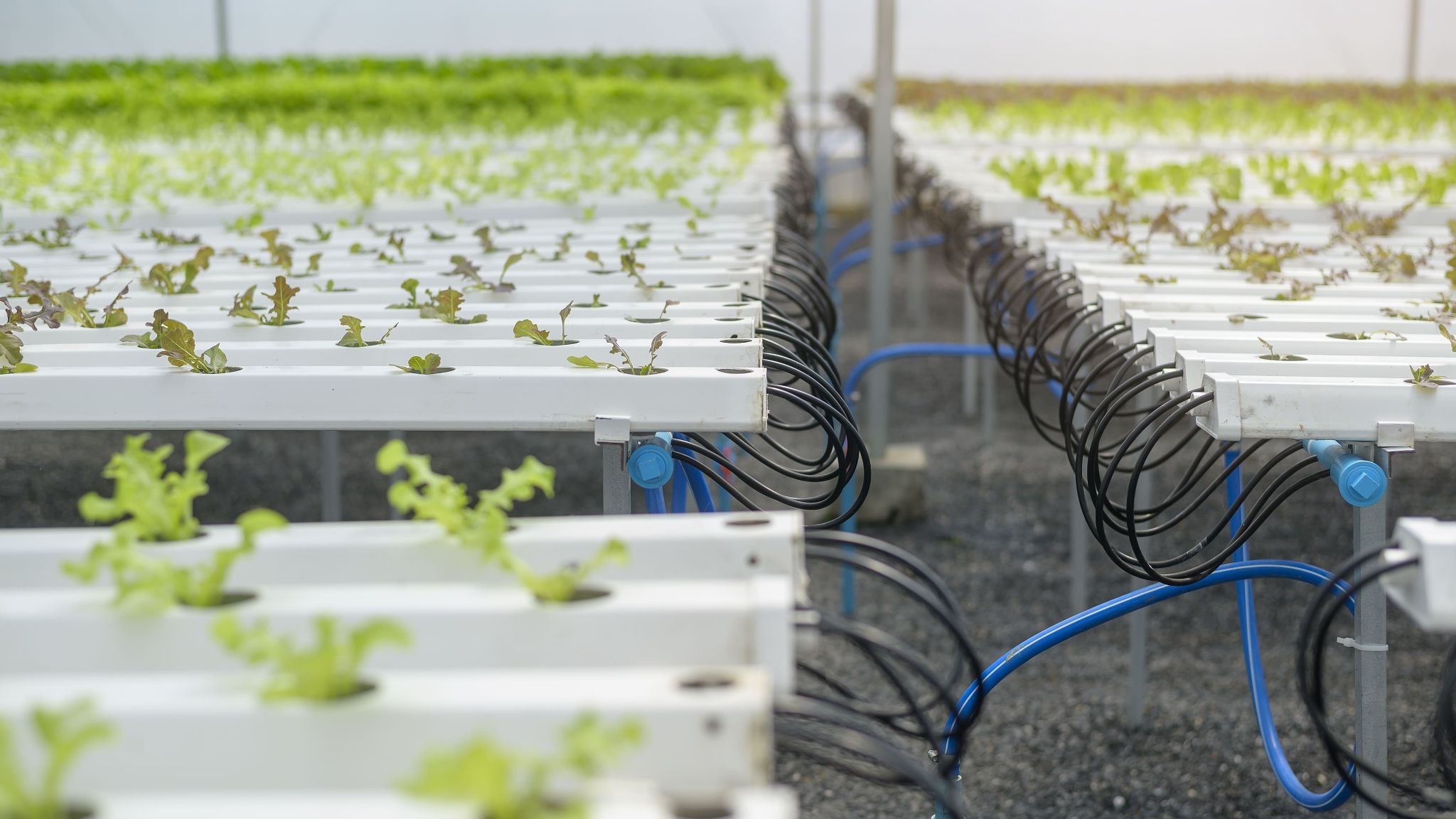
Vertical farms practice three types of plant cultivation: hydroponics, aquaponics, and aeroponics. Each of these methods uses a different medium through which nutrients are delivered to the plant roots. Smart sensors are most effective in hydroponic and aeroponic systems because they can accurately monitor and control water quality, nutrient levels, and mist delivery. The greater the number of variables that need to be monitored and controlled, the more valuable smart sensor systems become.
Challenges
One of the main challenges is that not all vertical farms use this technology. It is mostly used by more developed farms, while smaller vertical farms often cannot adopt it due to high initial costs. Additionally, financial and time resources must be invested in training farmers to interpret the insights provided by the system. Finally, the system can make errors or collect poor-quality data, which may lead to incorrect conclusions and suboptimal plant care decisions. Despite that, this system is still developing, so it has the potential to gain the full trust of farmers over time.
The Future of Agriculture with Smart Sensors
In smart sensor systems, rough yield estimates are replaced by real-time data collection and automation. As a result, agricultural production is made more predictable and is bringing greater precision and efficiency in its practices. Although no system is without limitations, this approach is already delivering significant benefits for farmers, and it is only a matter of time before even more benefits are delivered. The only question is how willing vertical farms are to invest in and test this system in their own operations, something that only time will reveal.